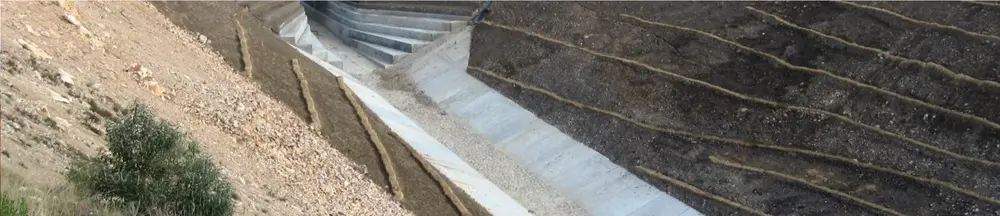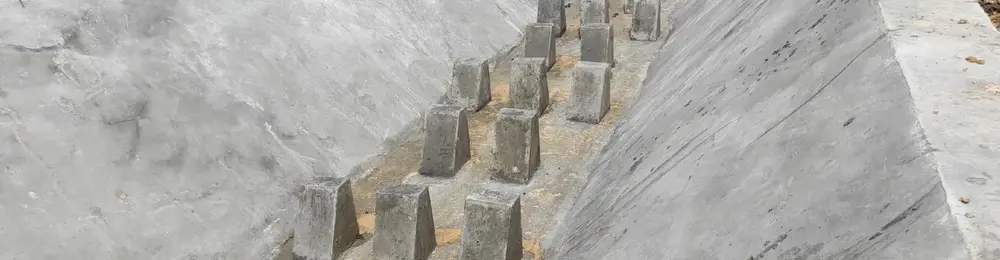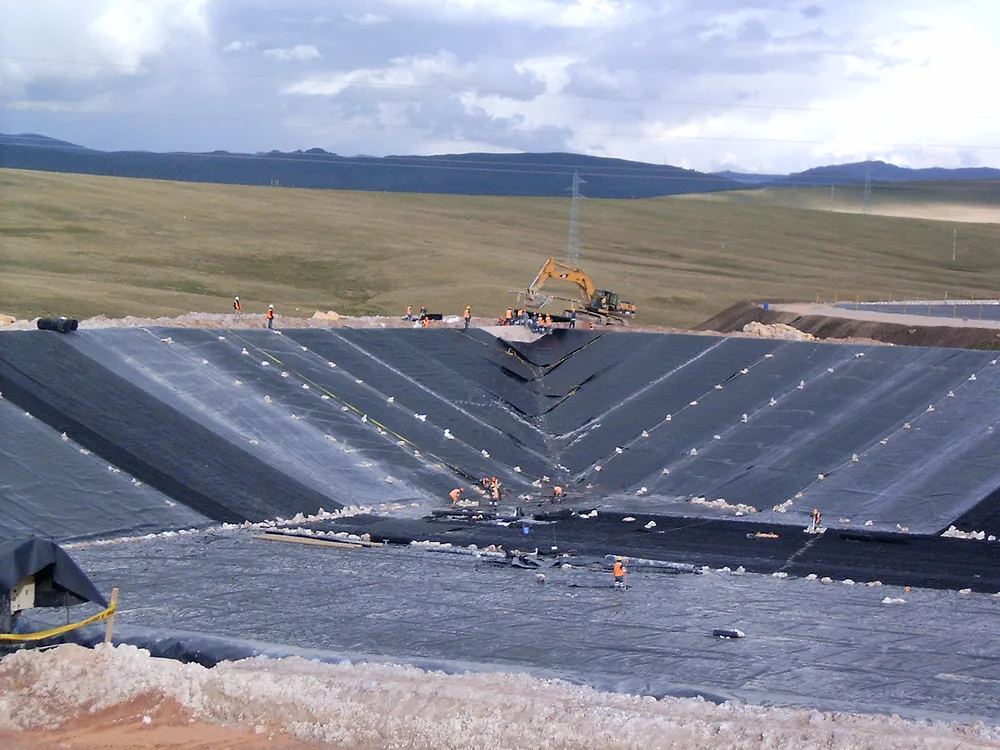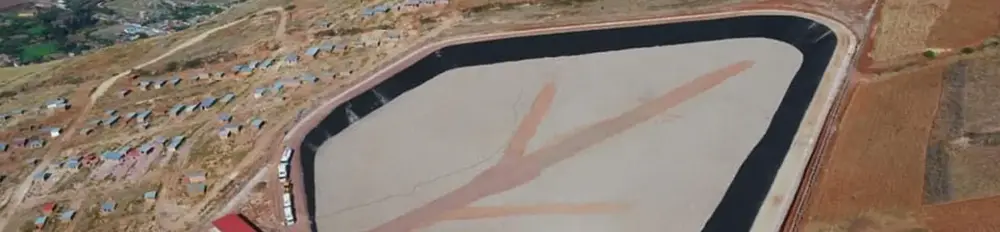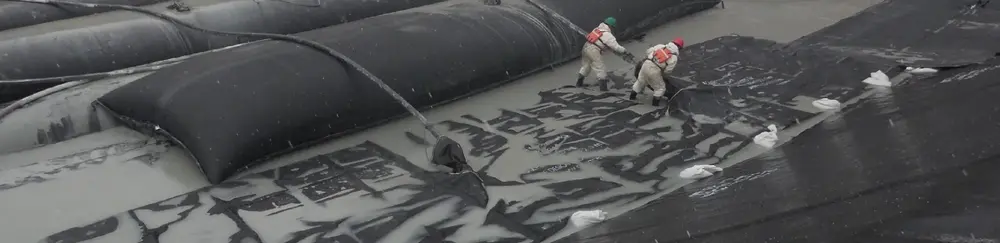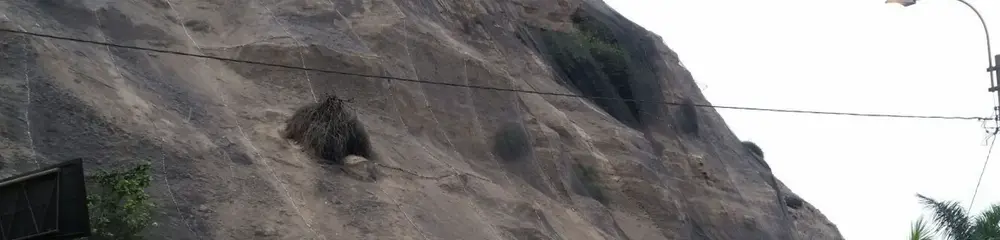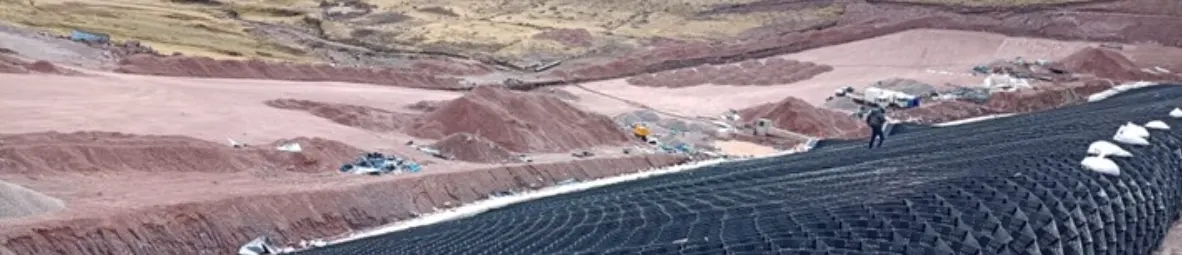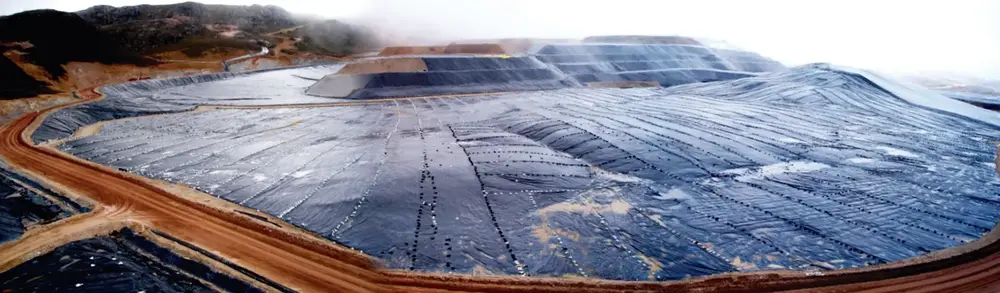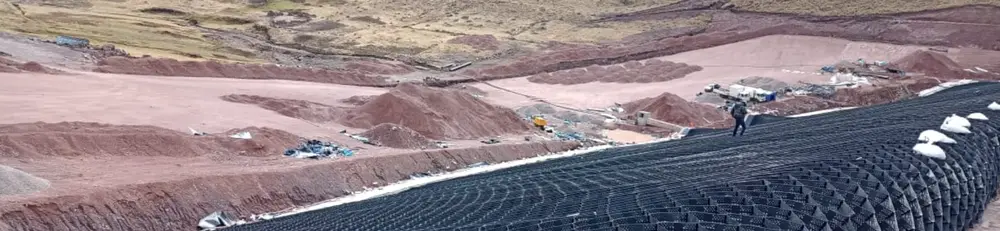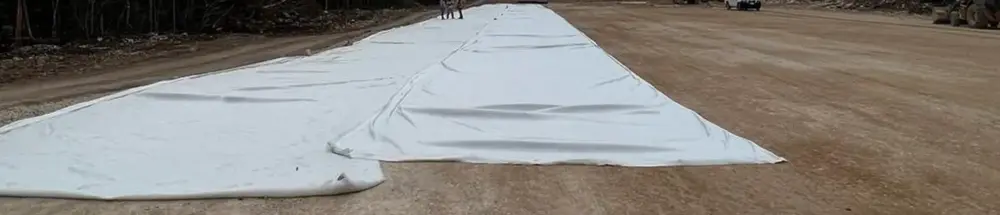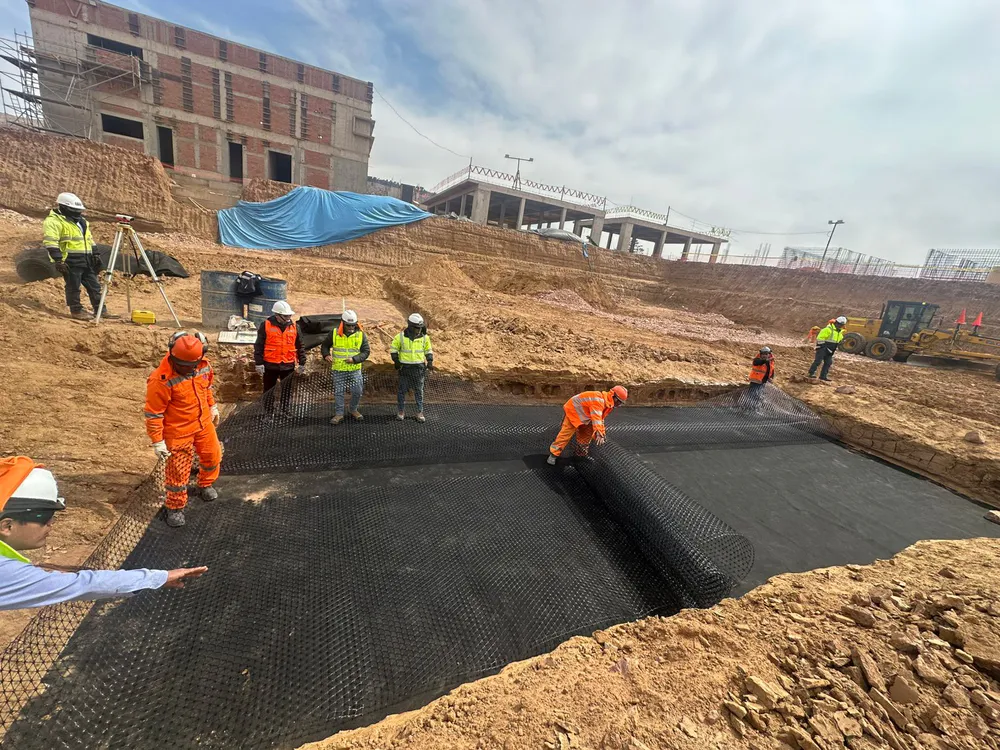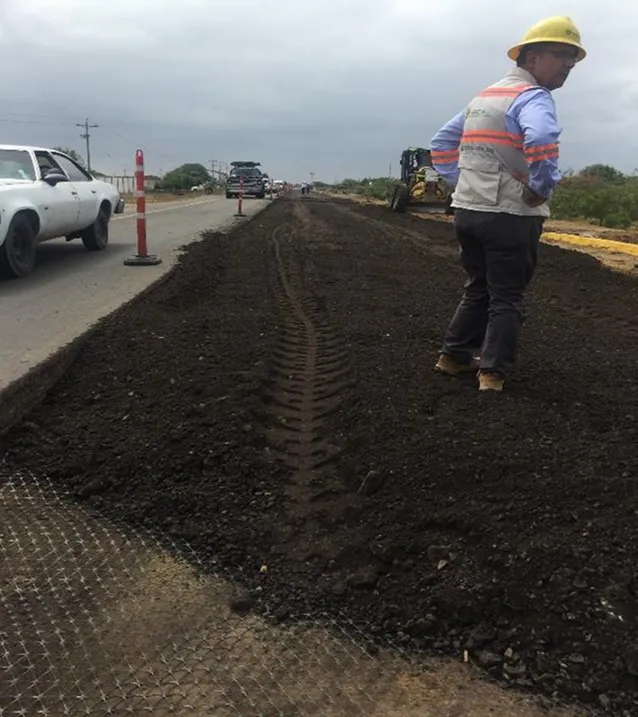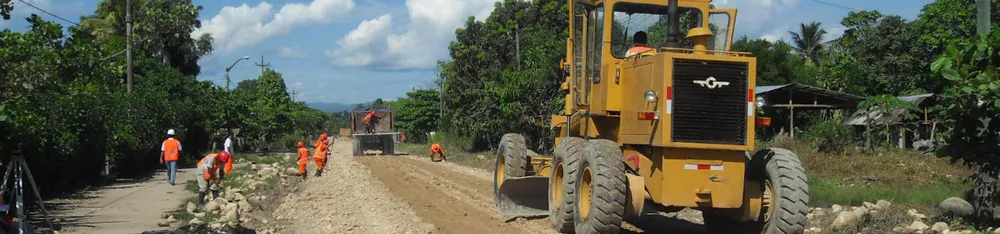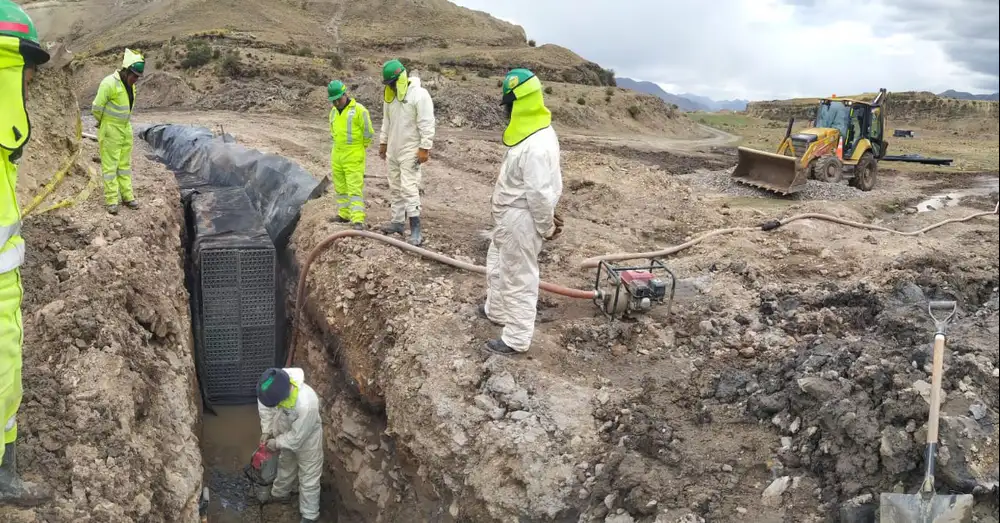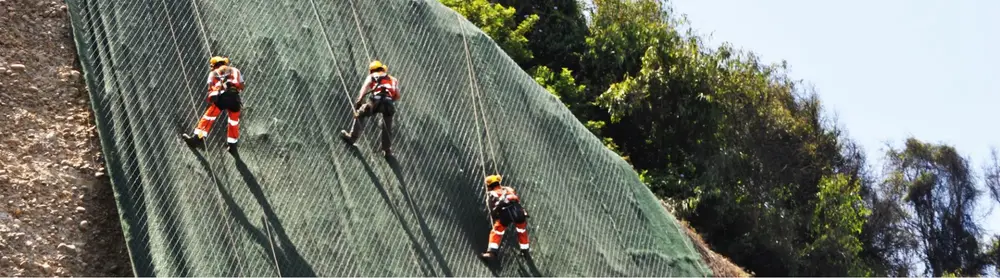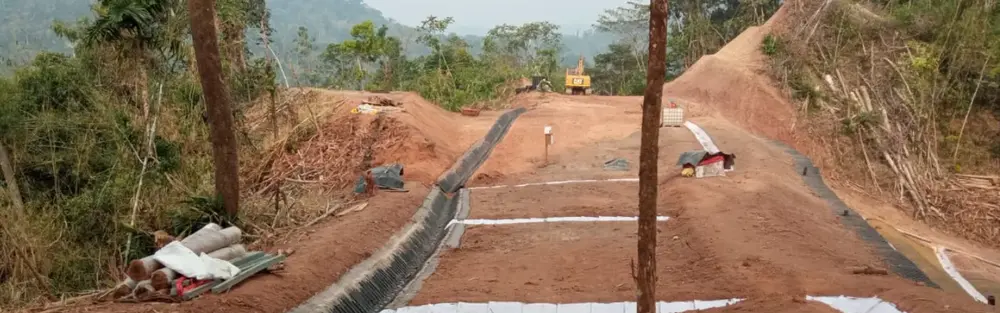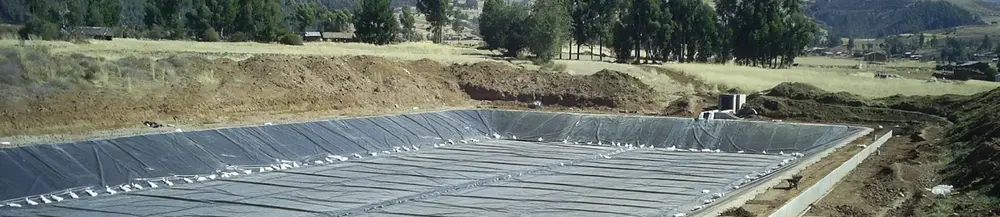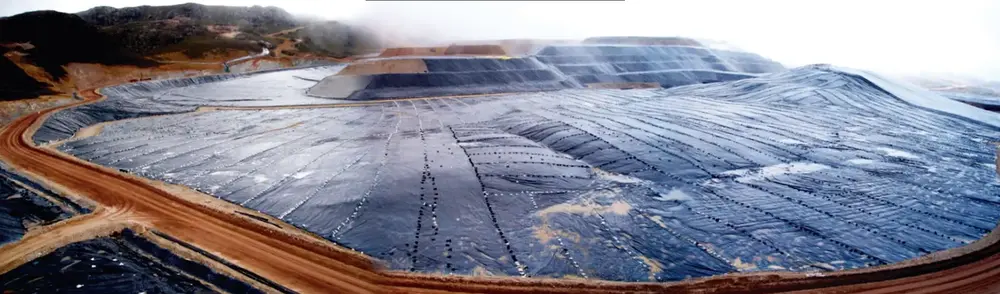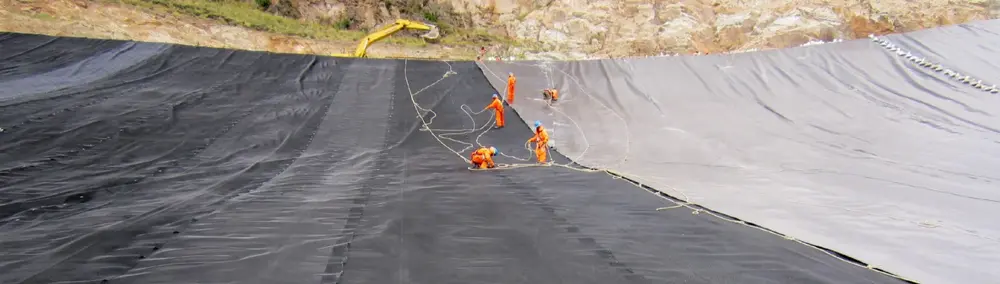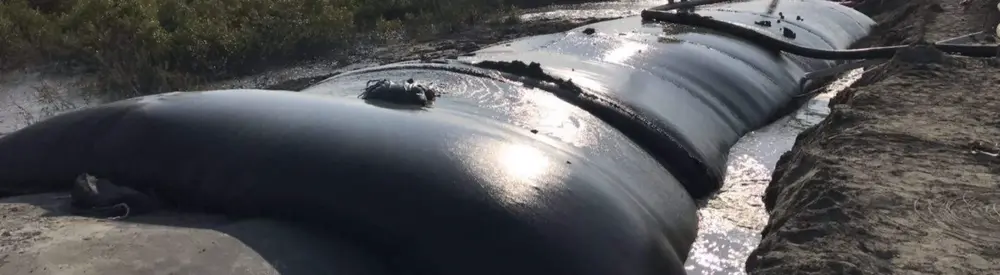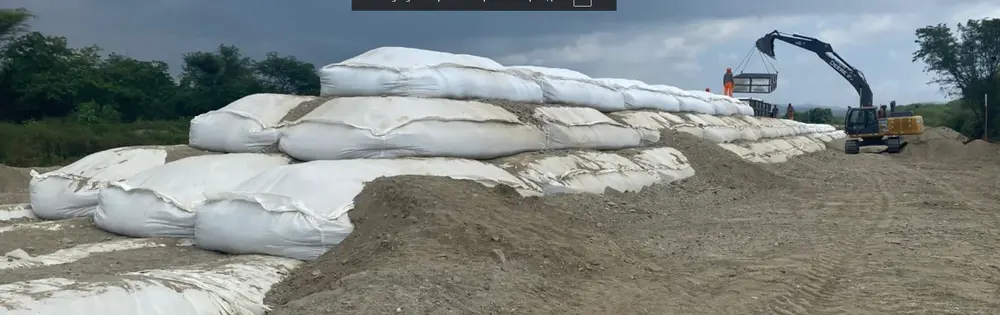
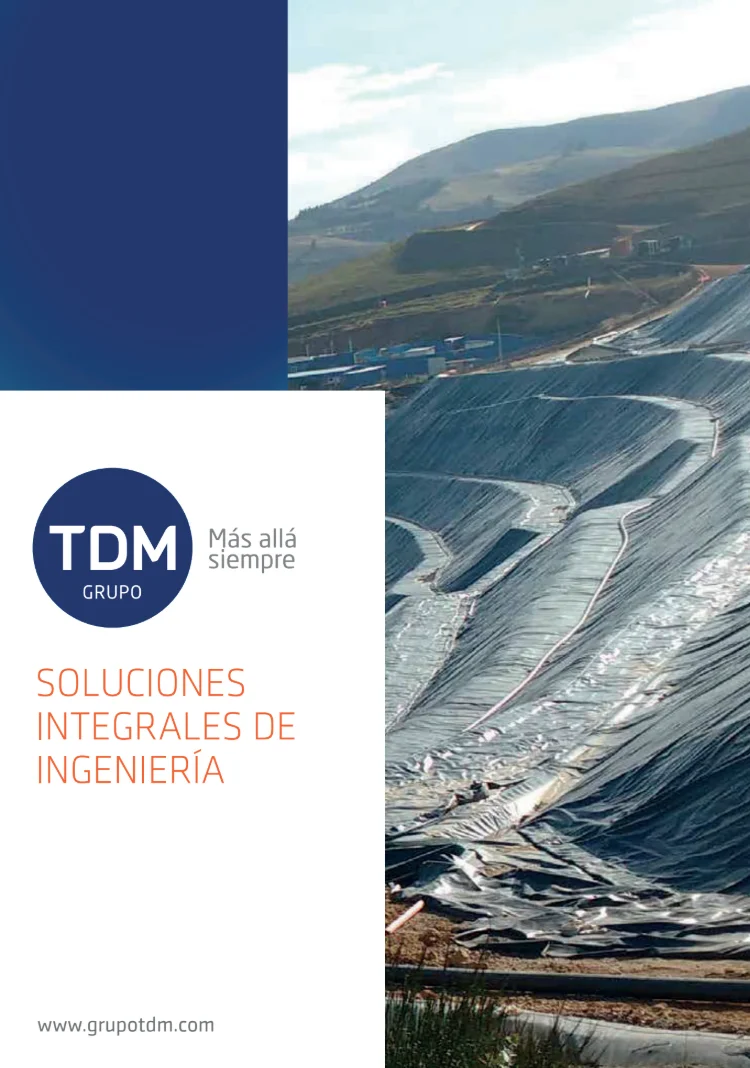
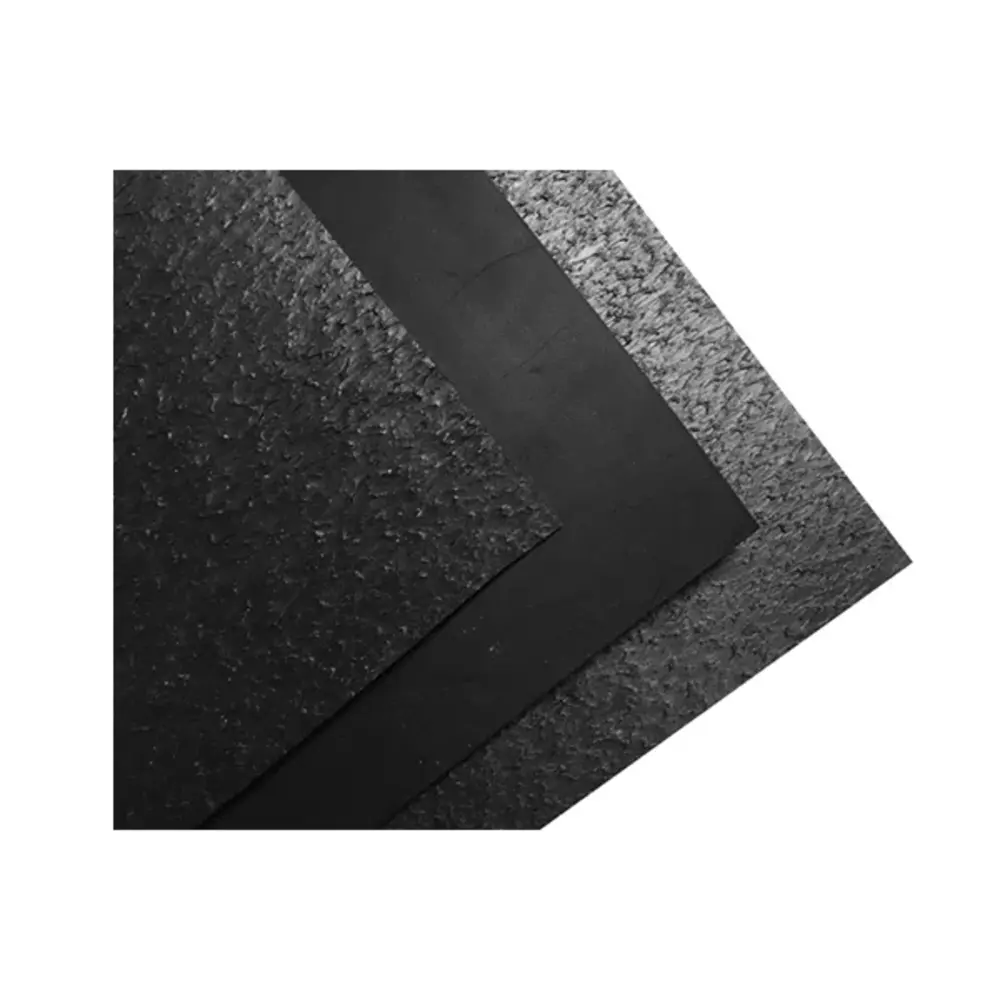

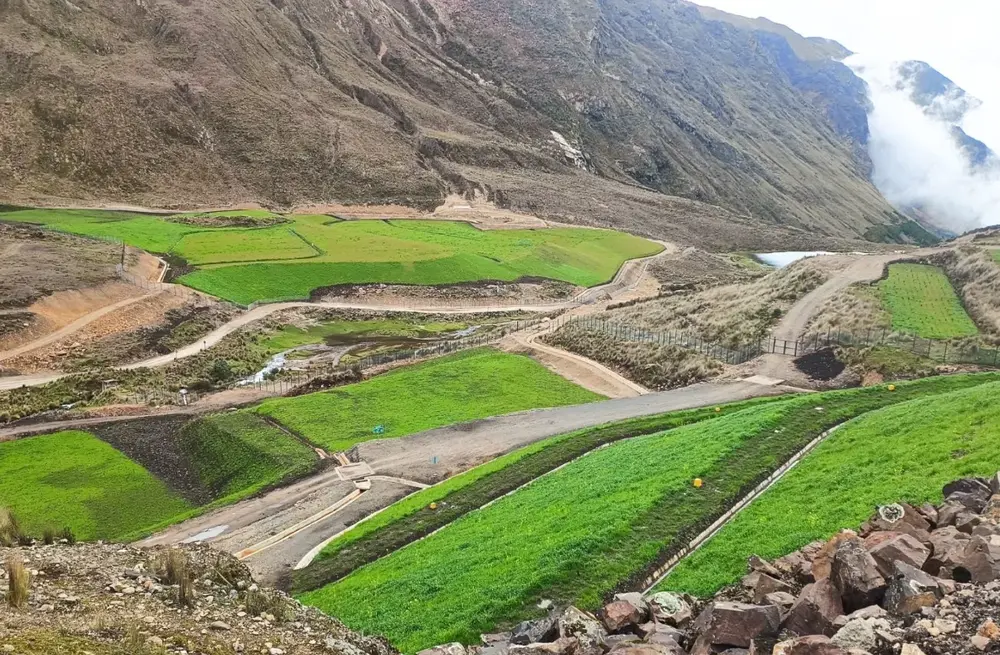
The remediation project for the former Pushaquilca mining unit, located in Áncash and led by AMSAC, included, in its first phase, the closure of 33 environmental liabilities distributed along the banks of the Pelagatos River and the Urupay stream, including waste rock, tailings, and mine entrances. During this intervention, approximately 525,900 m² of geosynthetics were installed as part of the waterproofing system to ensure the geochemical stability of these liabilities.
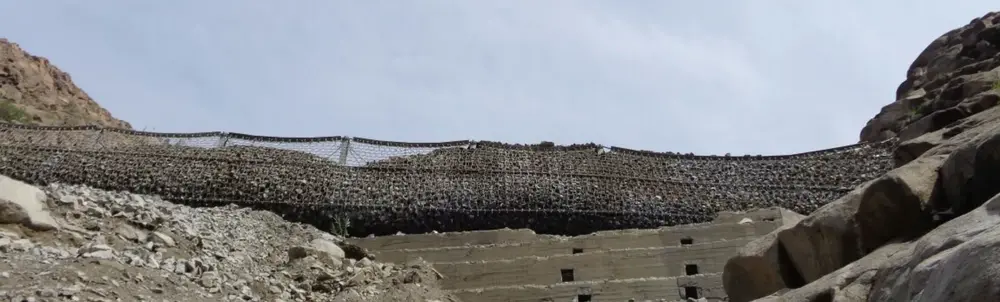
Thus, the use of geosynthetic solutions has enabled highly efficient coverage that contributes to reducing the carbon footprint by eliminating the need to transport materials from quarries and ensuring the long-term stability of the cover in sloping areas.
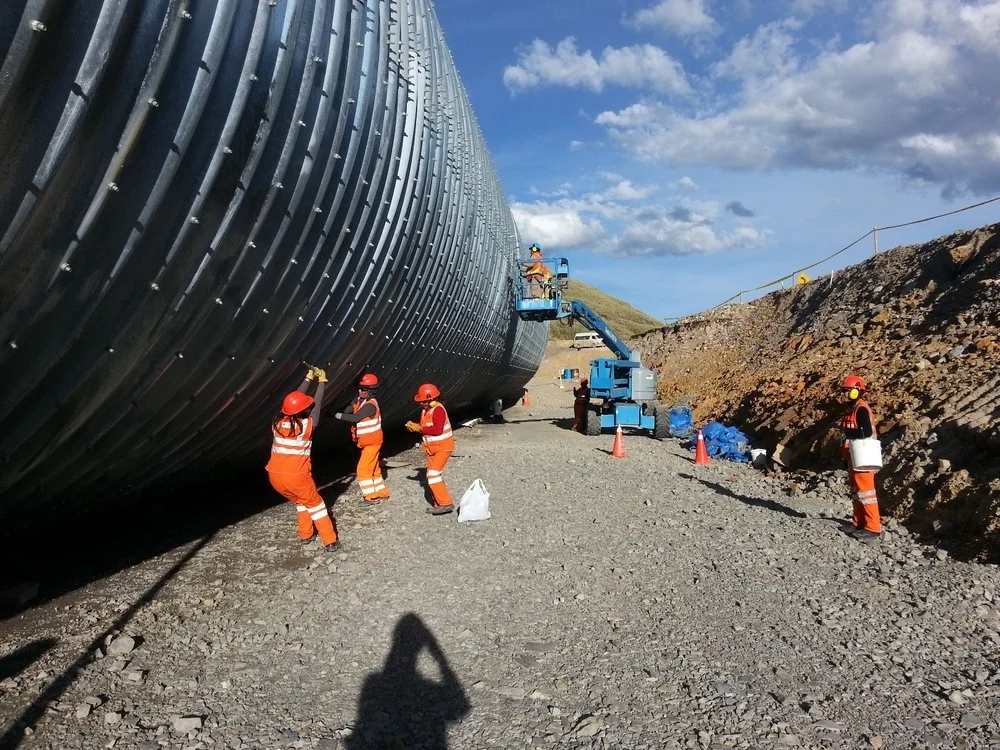
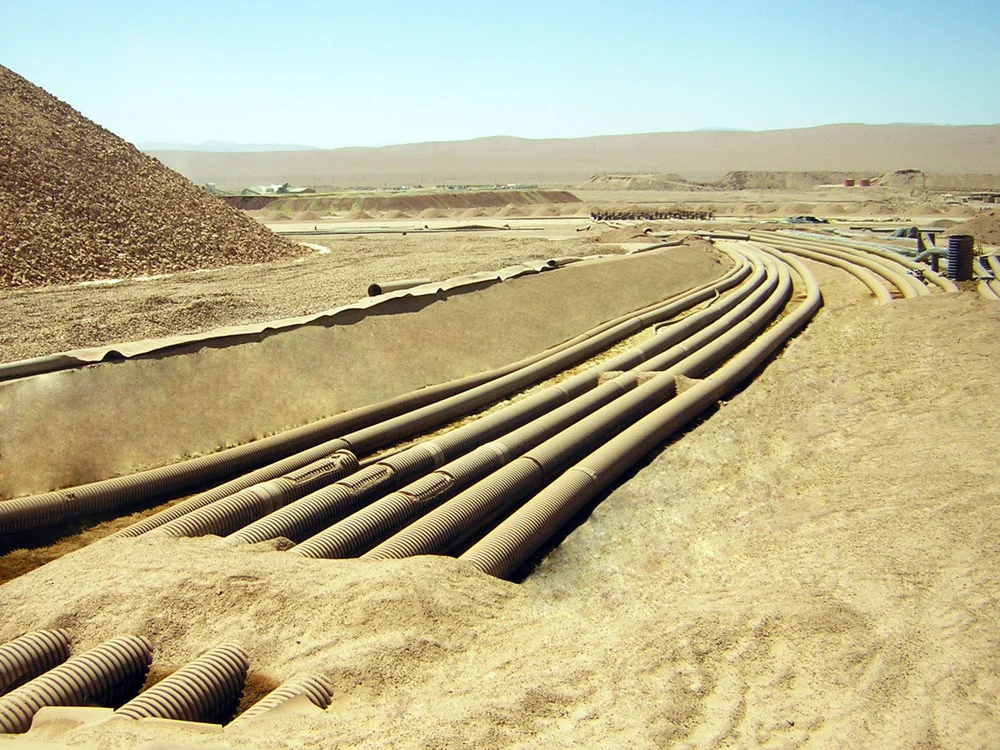
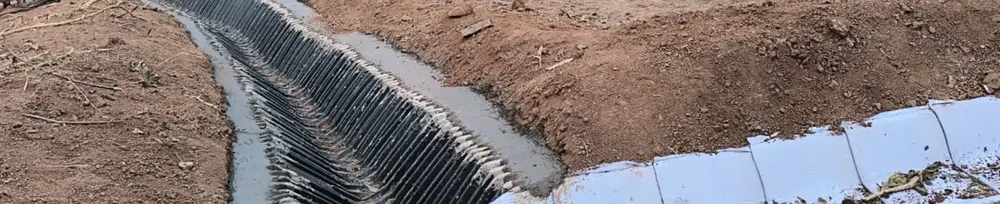
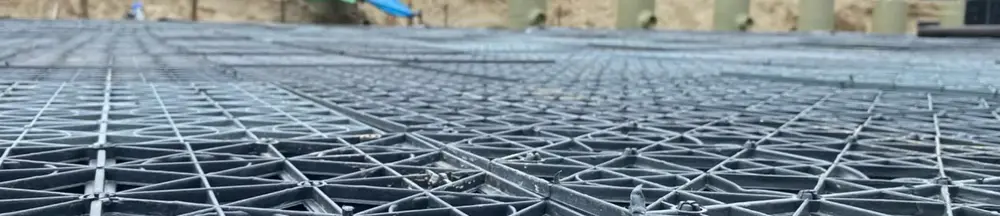
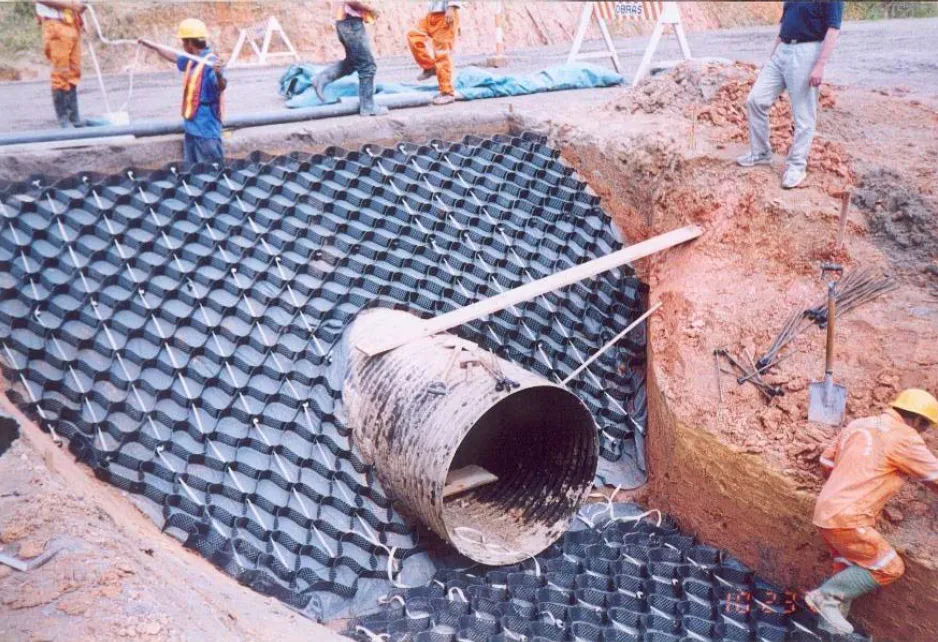
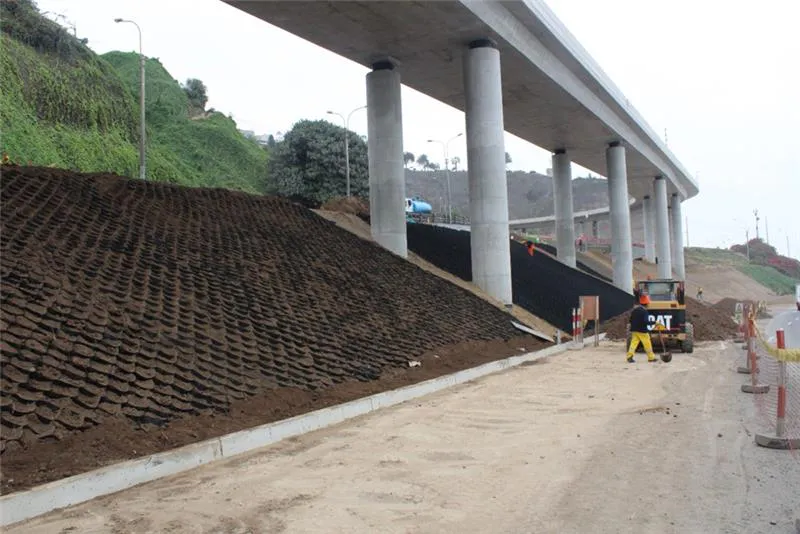
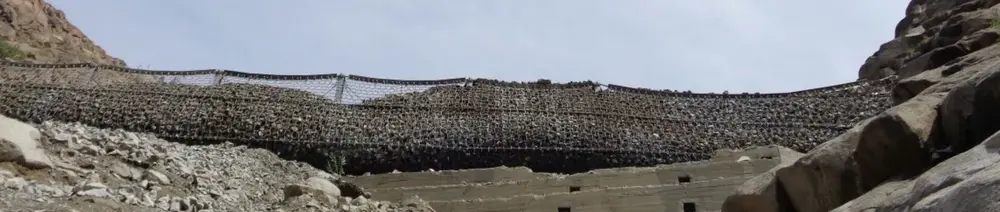
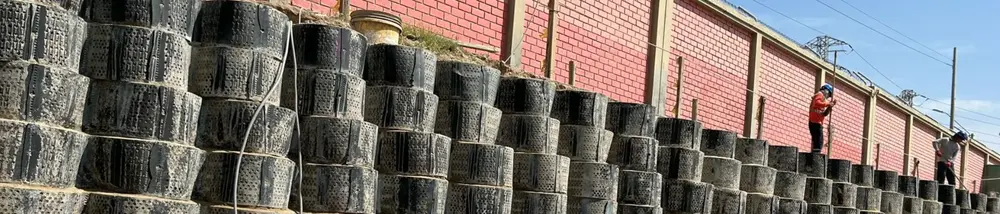
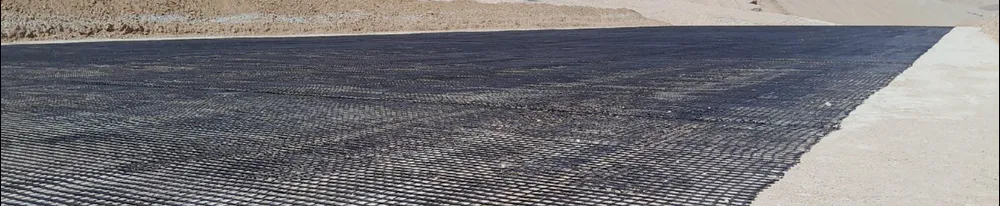
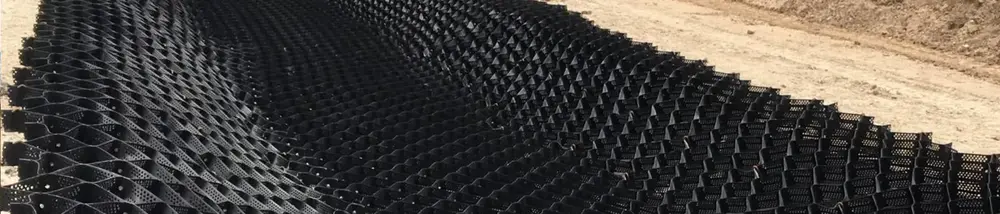
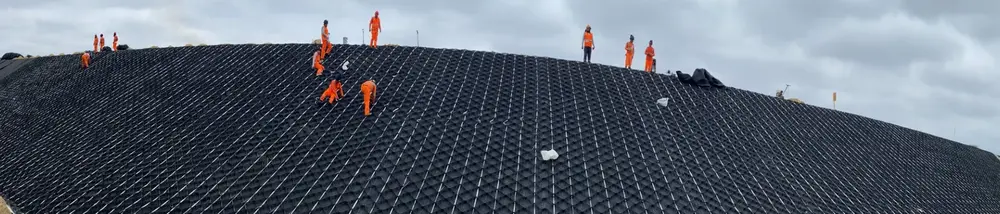
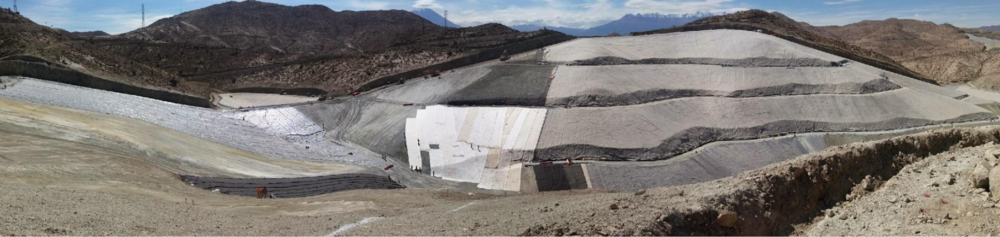
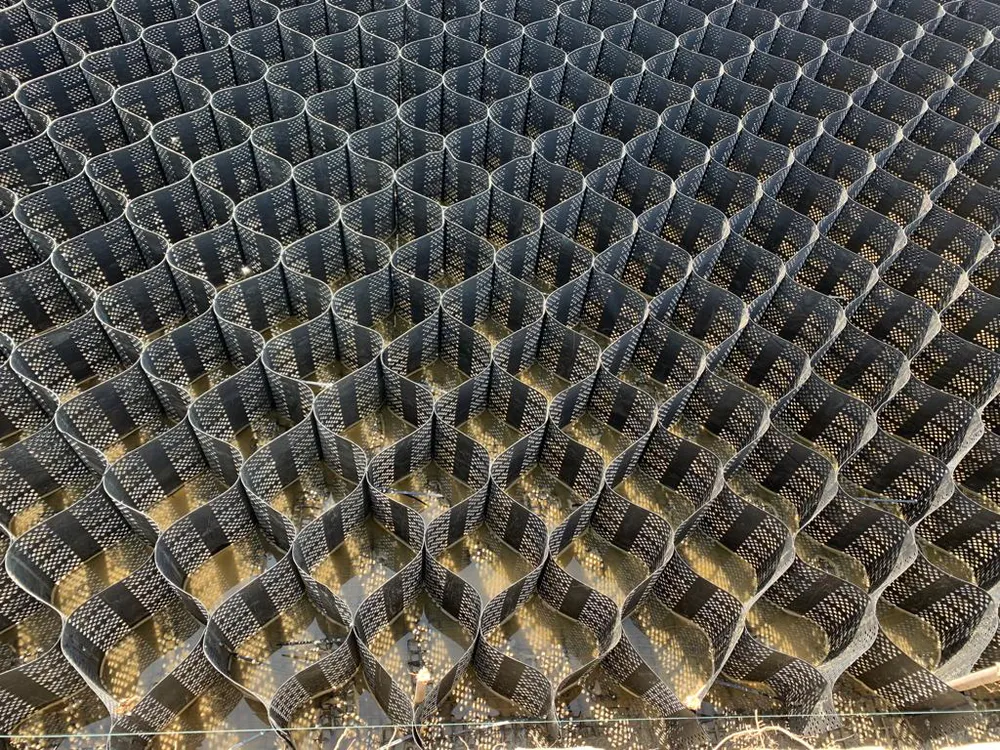
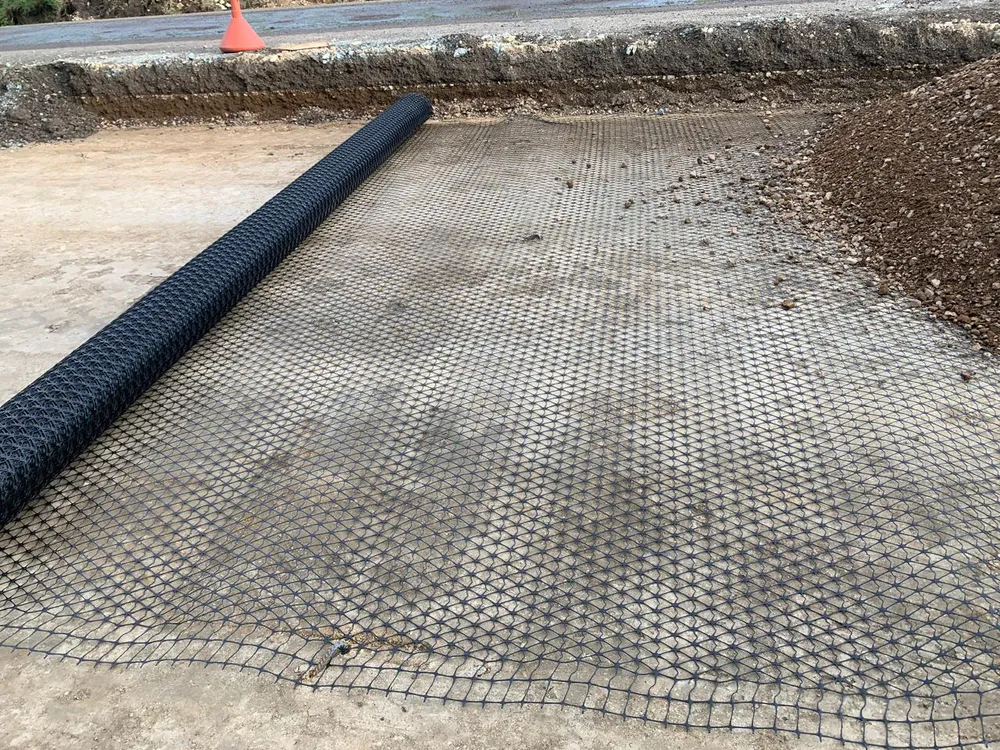
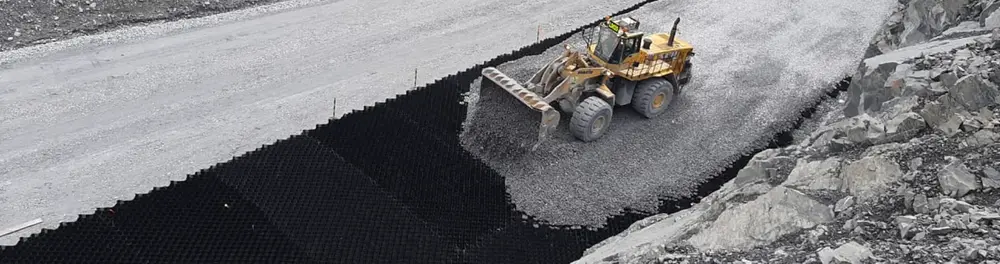
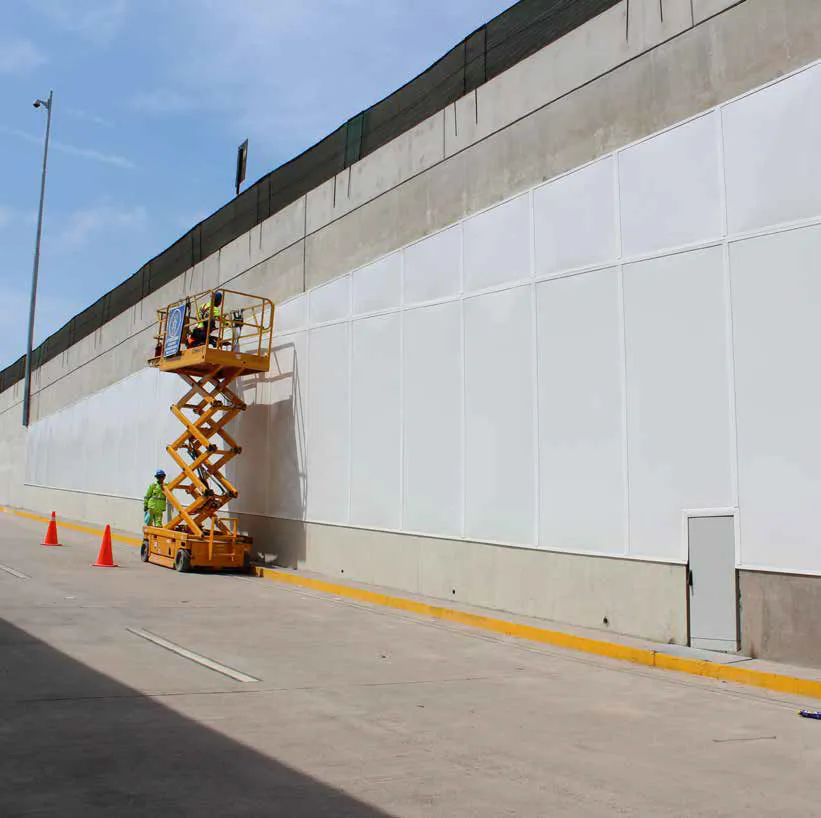
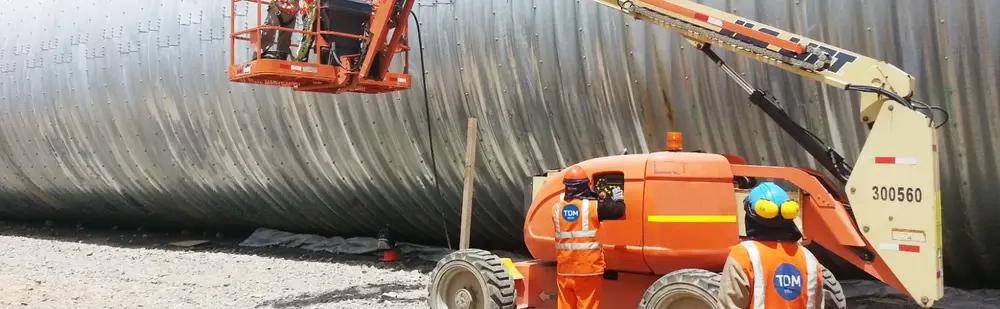
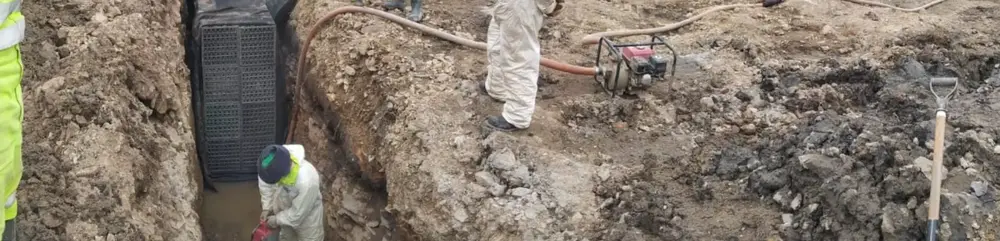
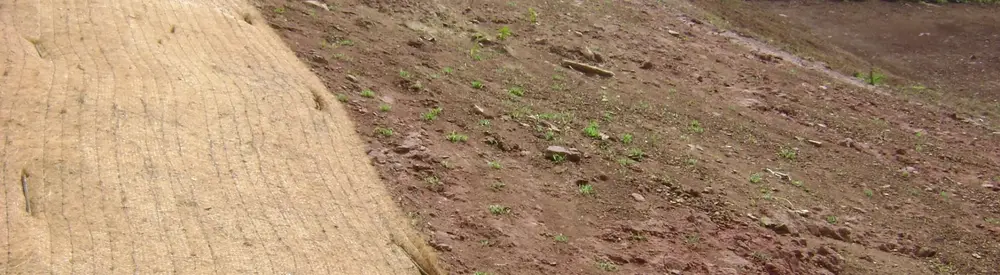
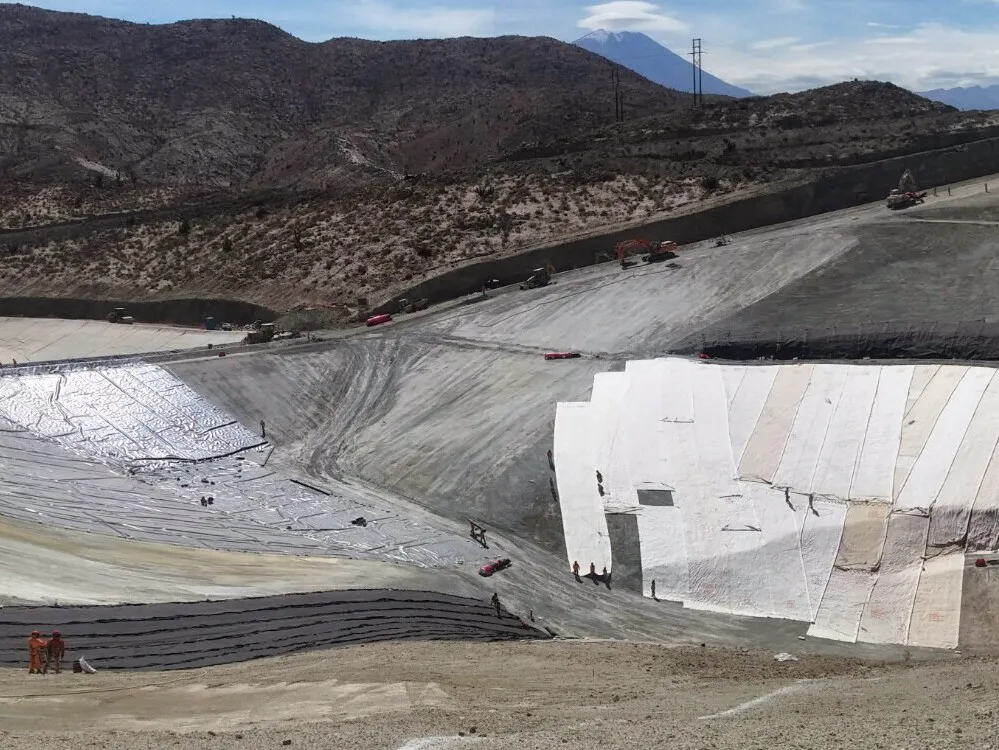
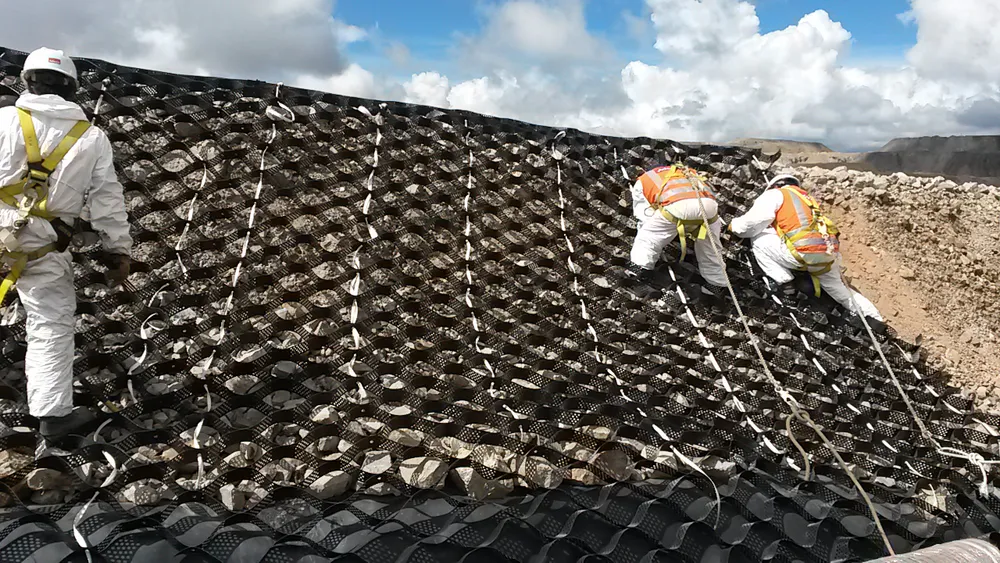
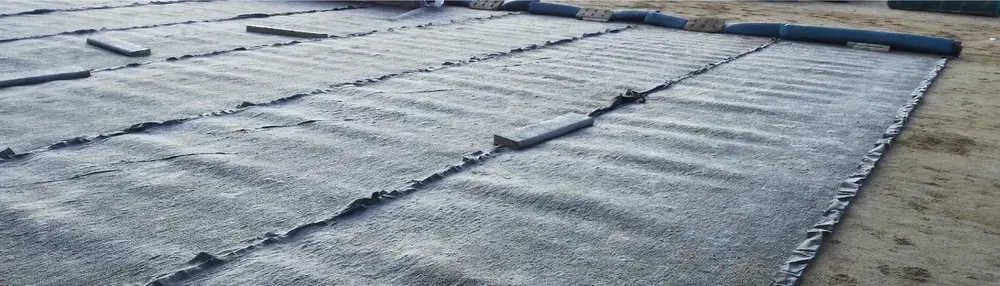
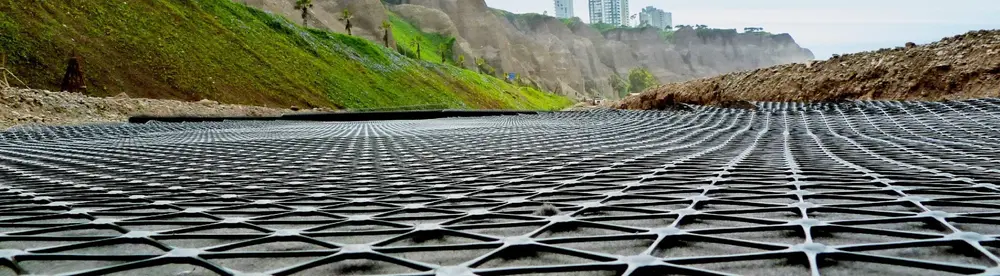
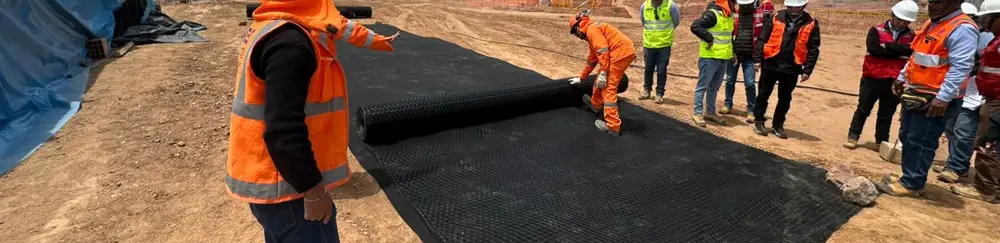
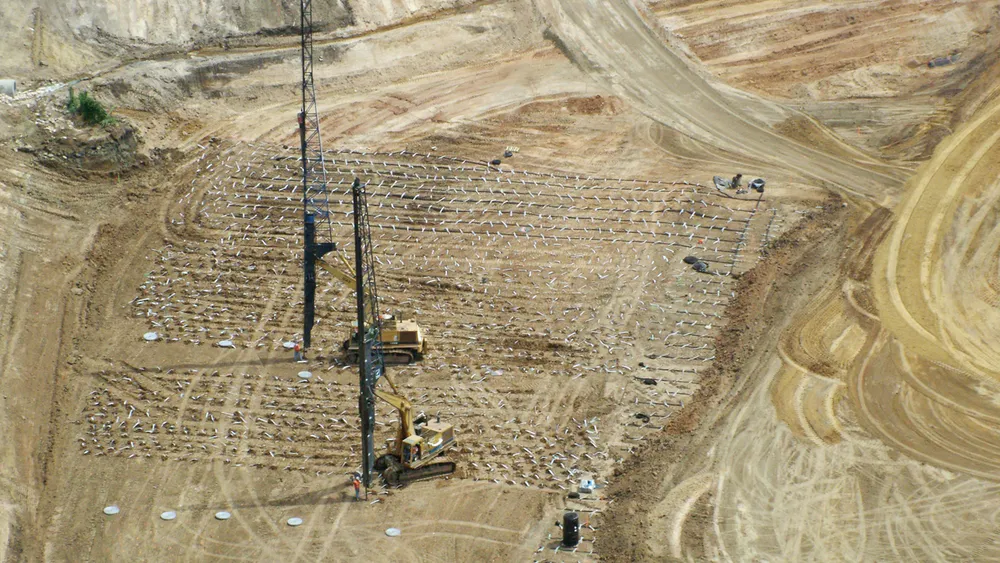
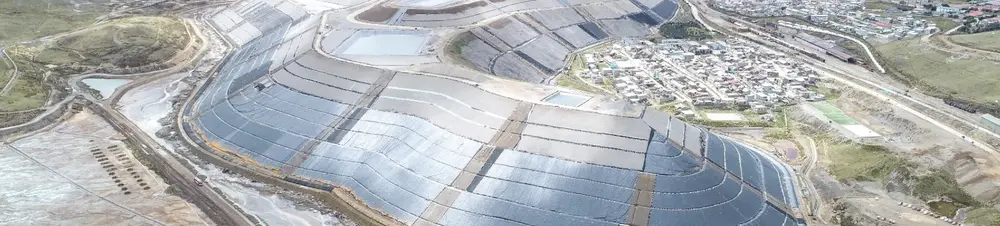
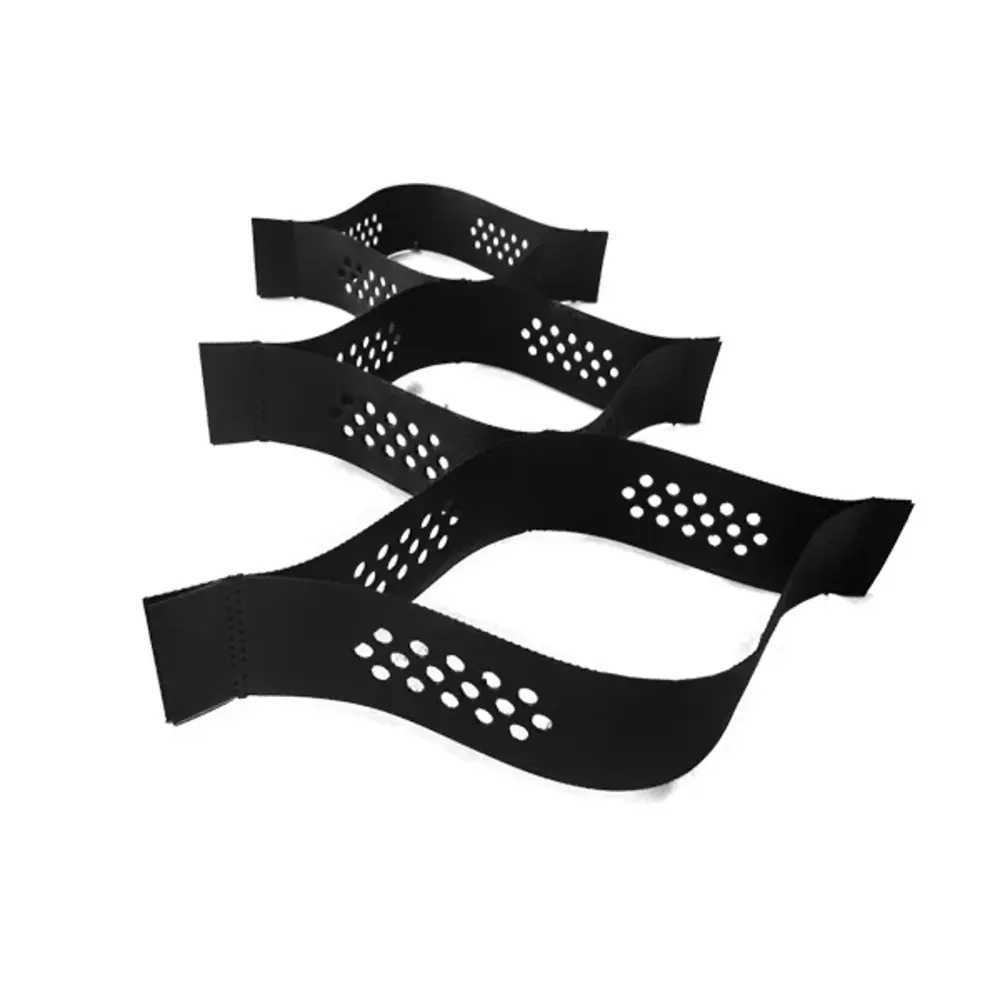
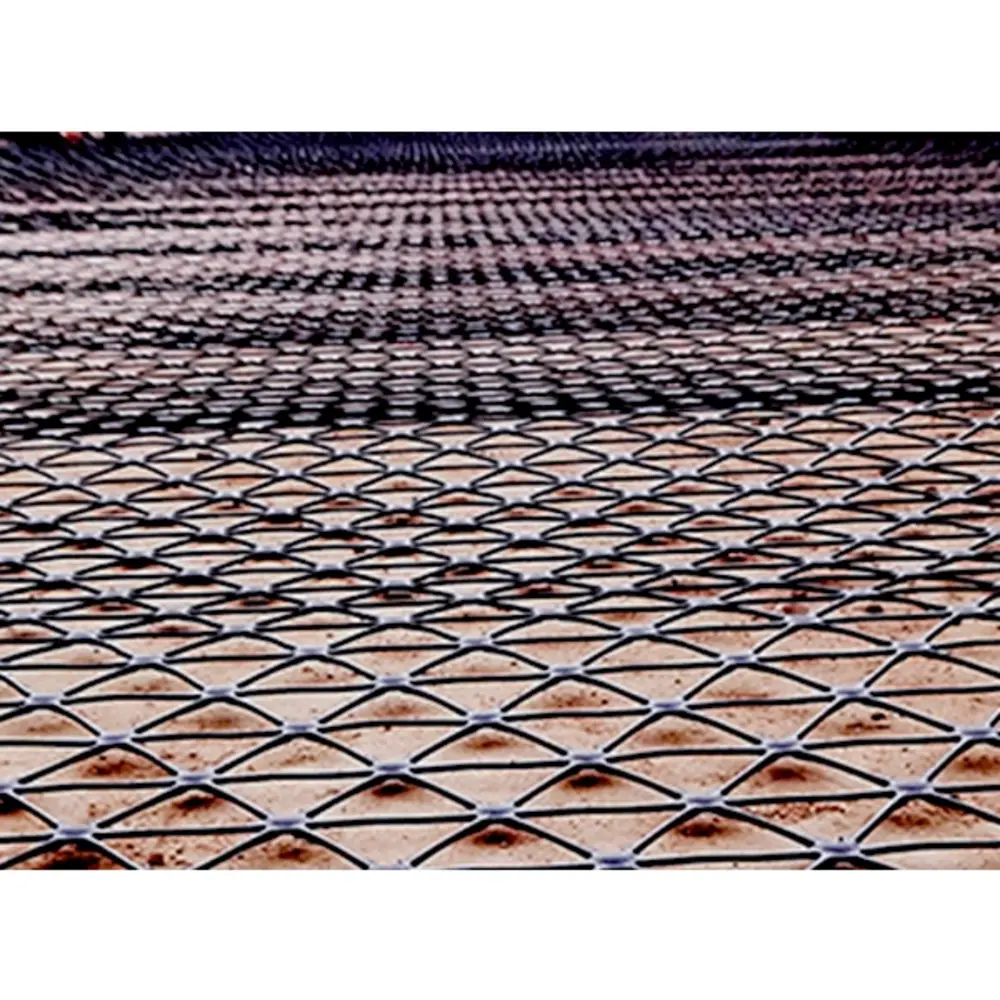
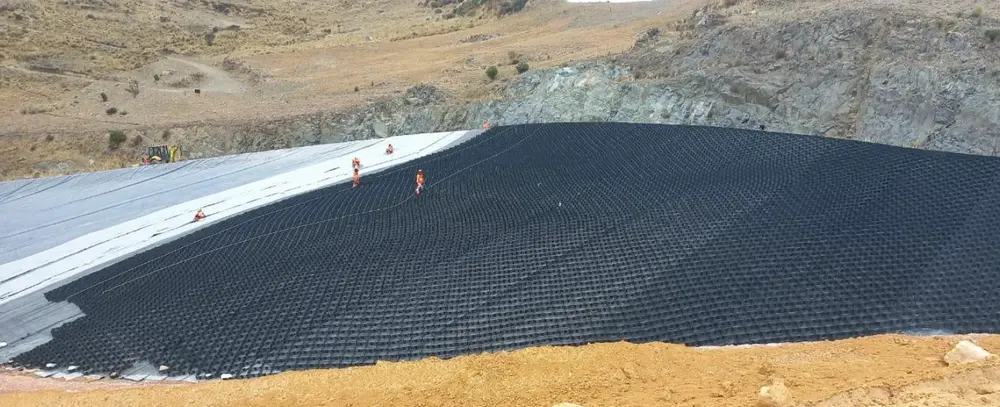
In one of the most representative closure processes in high Andean regions, the Pierina mining unit, located in the Cordillera Negra (Áncash), developed interventions aimed at ensuring the physical, hydrological, and geochemical stability of its main components. To close the leach pad, a multi-layer solution was implemented over more than 30,000 m², consisting of drainage geocomposites, geocells, and geogrids, reinforcing the structure, optimizing water management, and adapting to slopes with varying gradients.
This solution reduced the exploitation of selected materials such as low-permeability soils and drainage materials, as well as minimizing the carbon footprint by avoiding the transport of inputs from quarries. In this way, a closure cover was achieved with high technical efficiency, environmental sustainability, and an implementation adapted to the challenges of the geographical environment.
The remediation project for the former Pushaquilca mining unit, located in Áncash and led by AMSAC, included, in its first phase, the closure of 33 environmental liabilities distributed along the banks of the Pelagatos River and the Urupay stream, including waste rock, tailings, and mine entrances. During this intervention, approximately 525,900 m² of geosynthetics were installed as part of the waterproofing system to ensure the geochemical stability of these liabilities.
Thus, the use of geosynthetic solutions has enabled highly efficient coverage that contributes to reducing the carbon footprint by eliminating the need to transport materials from quarries and ensuring the long-term stability of the cover in sloping areas.
In one of the most representative closure processes in high Andean regions, the Pierina mining unit, located in the Cordillera Negra (Áncash), developed interventions aimed at ensuring the physical, hydrological, and geochemical stability of its main components. To close the leach pad, a multi-layer solution was implemented over more than 30,000 m², consisting of drainage geocomposites, geocells, and geogrids, reinforcing the structure, optimizing water management, and adapting to slopes with varying gradients.
This solution reduced the exploitation of selected materials such as low-permeability soils and drainage materials, as well as minimizing the carbon footprint by avoiding the transport of inputs from quarries. In this way, a closure cover was achieved with high technical efficiency, environmental sustainability, and an implementation adapted to the challenges of the geographical environment.
Our team of experts is ready to advise you and help you find the best option for your project.