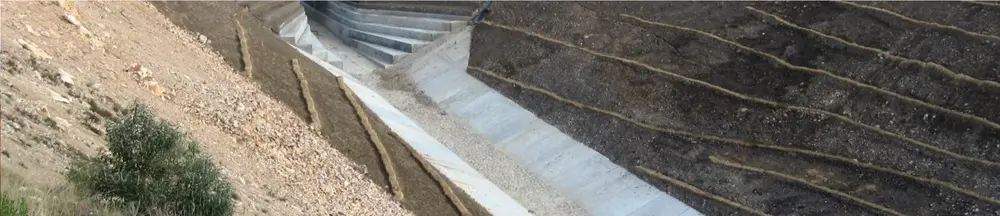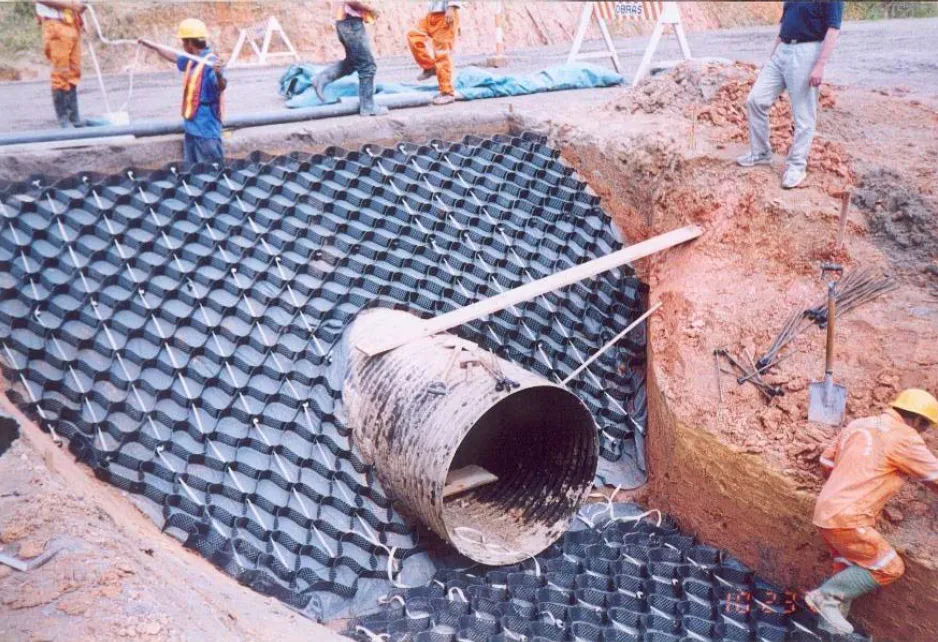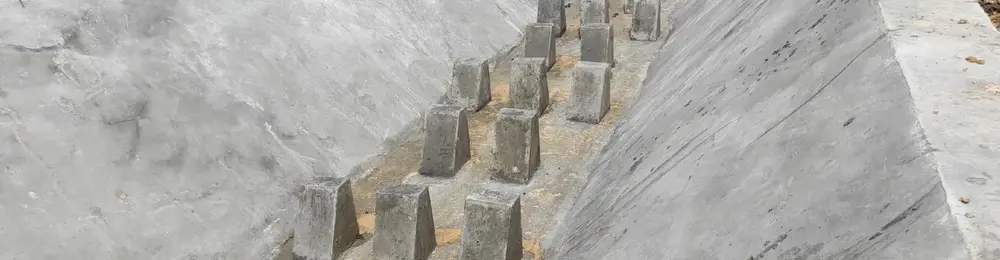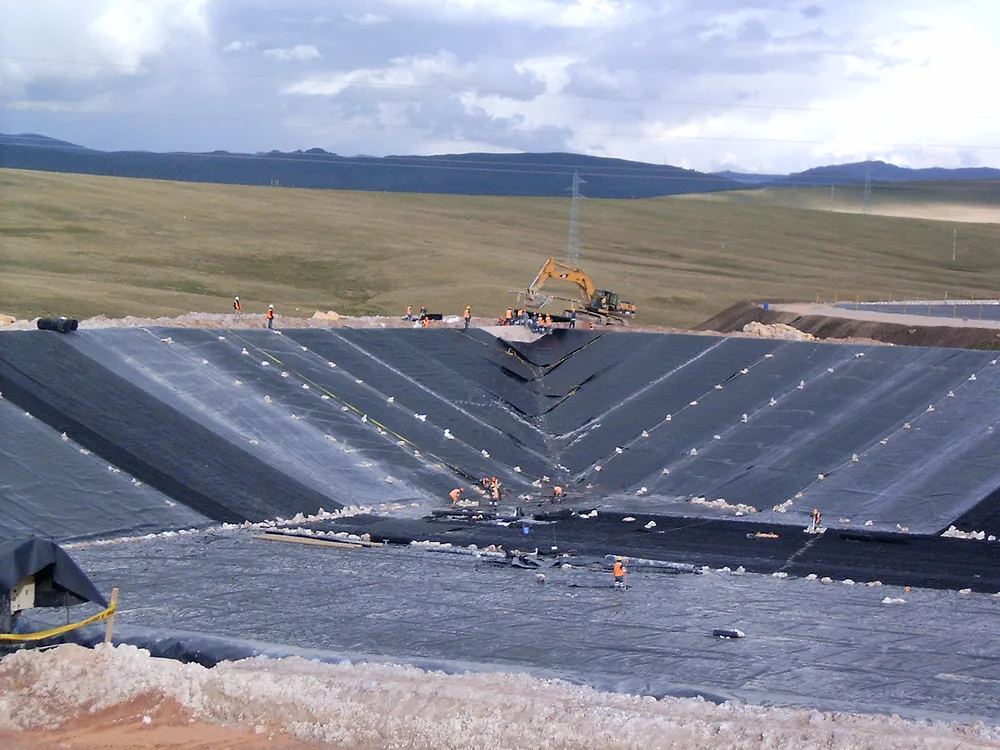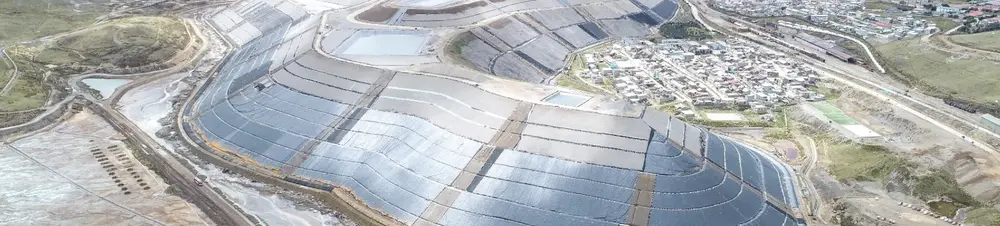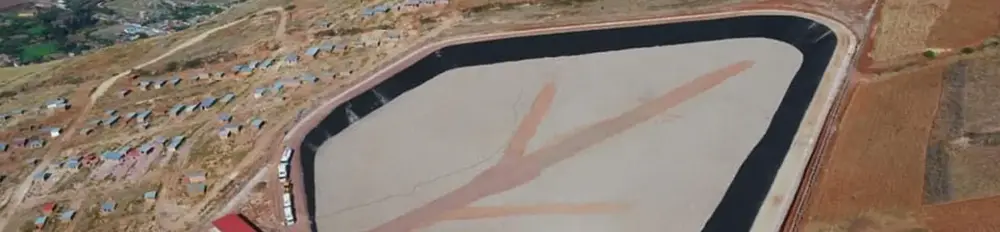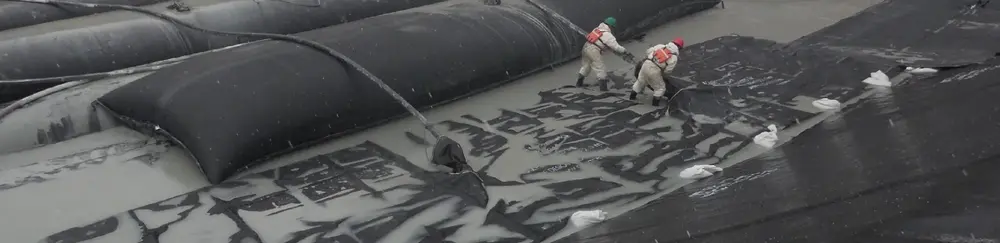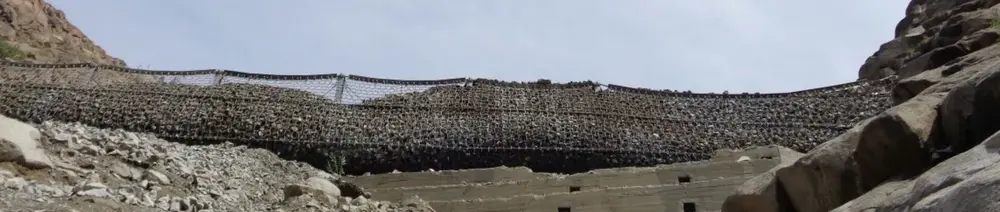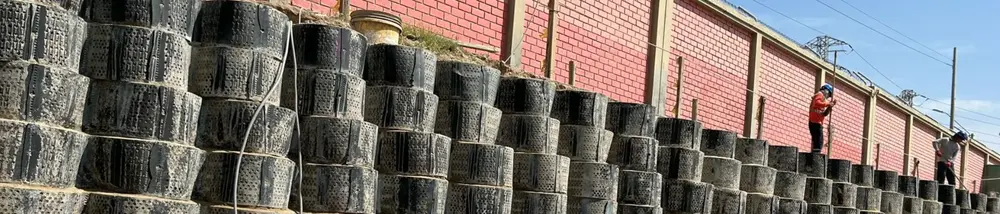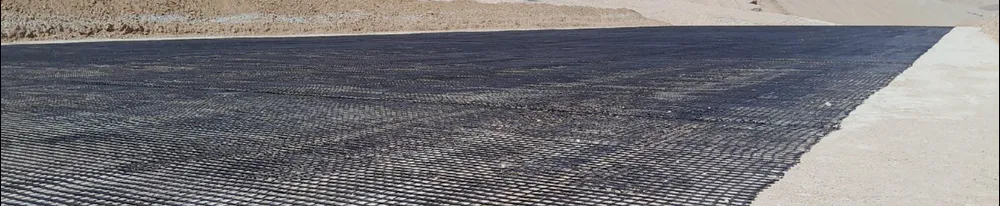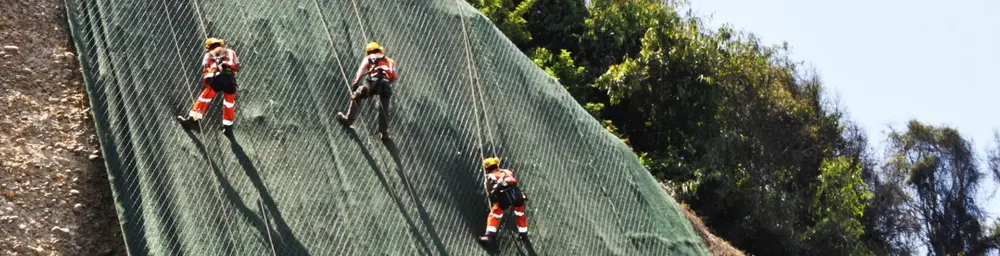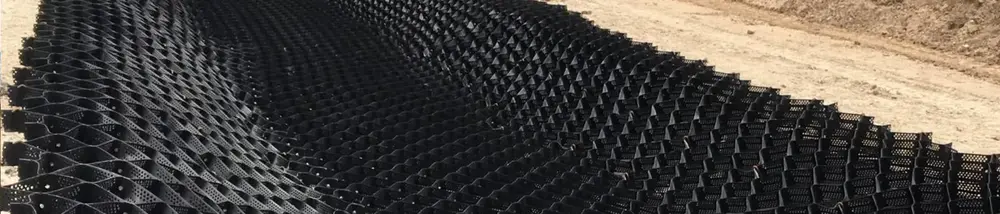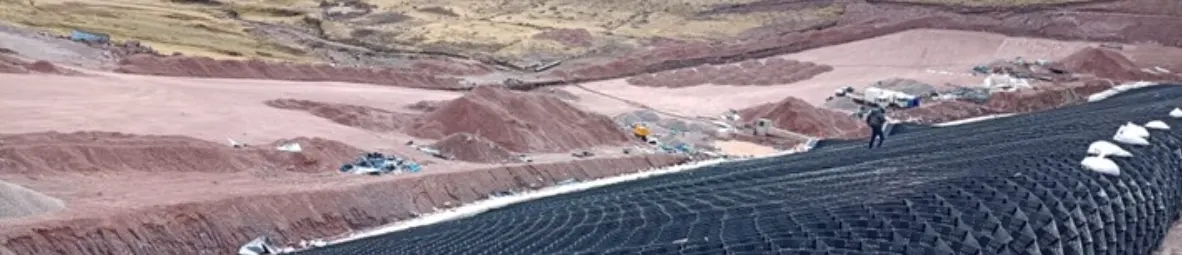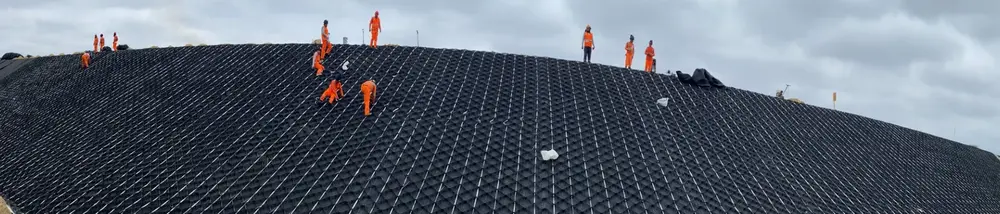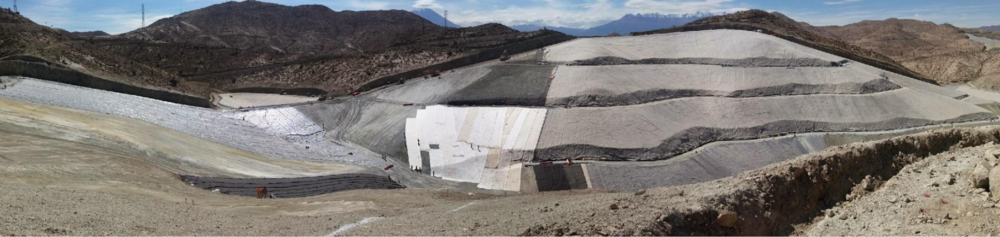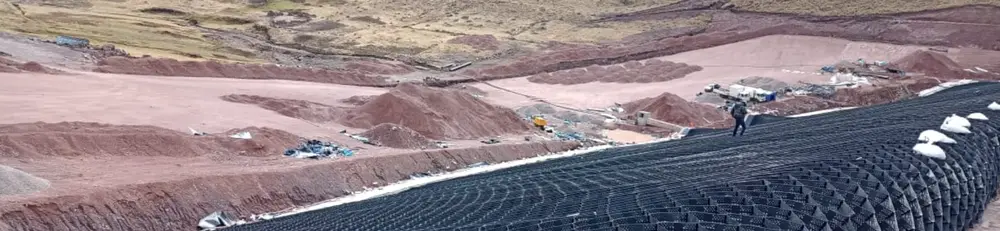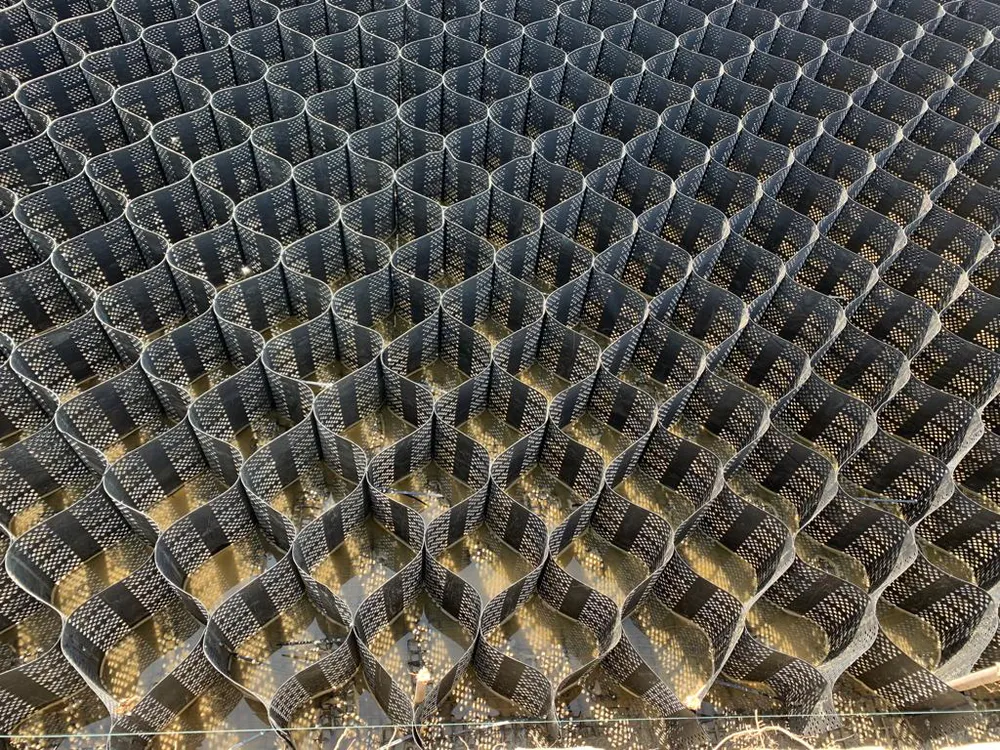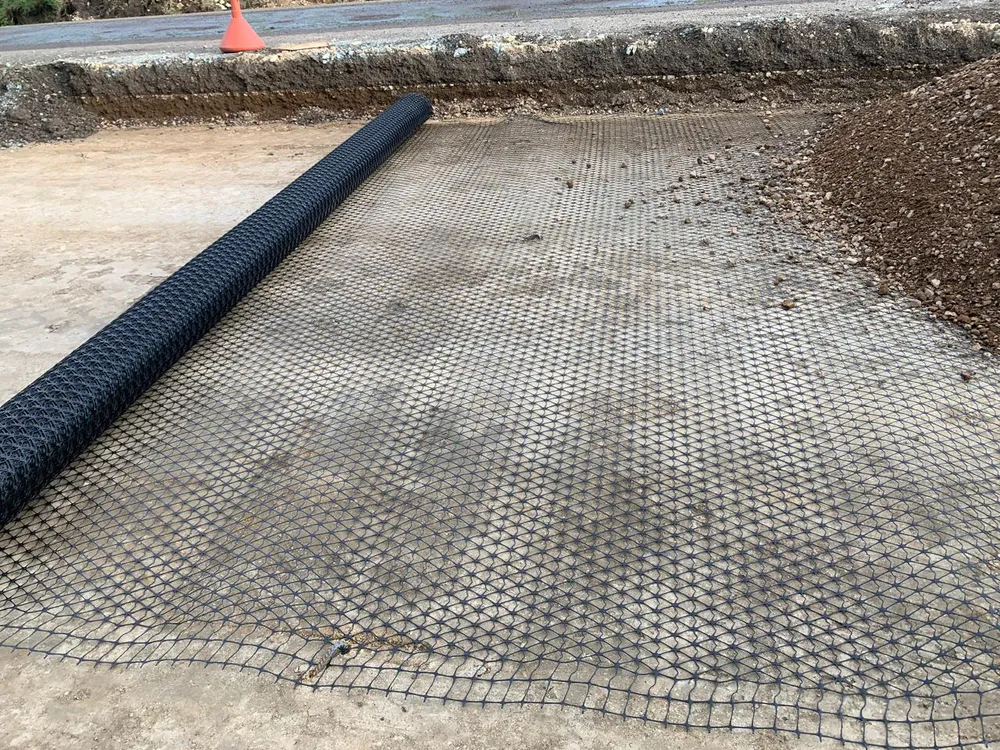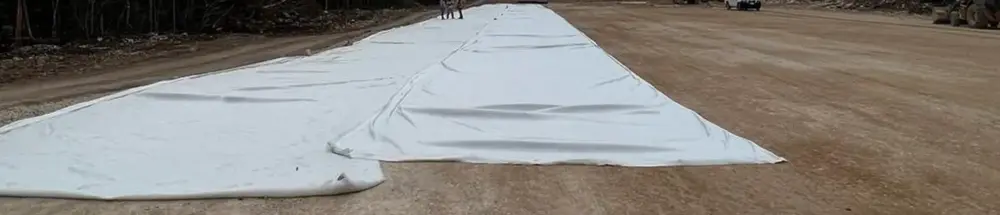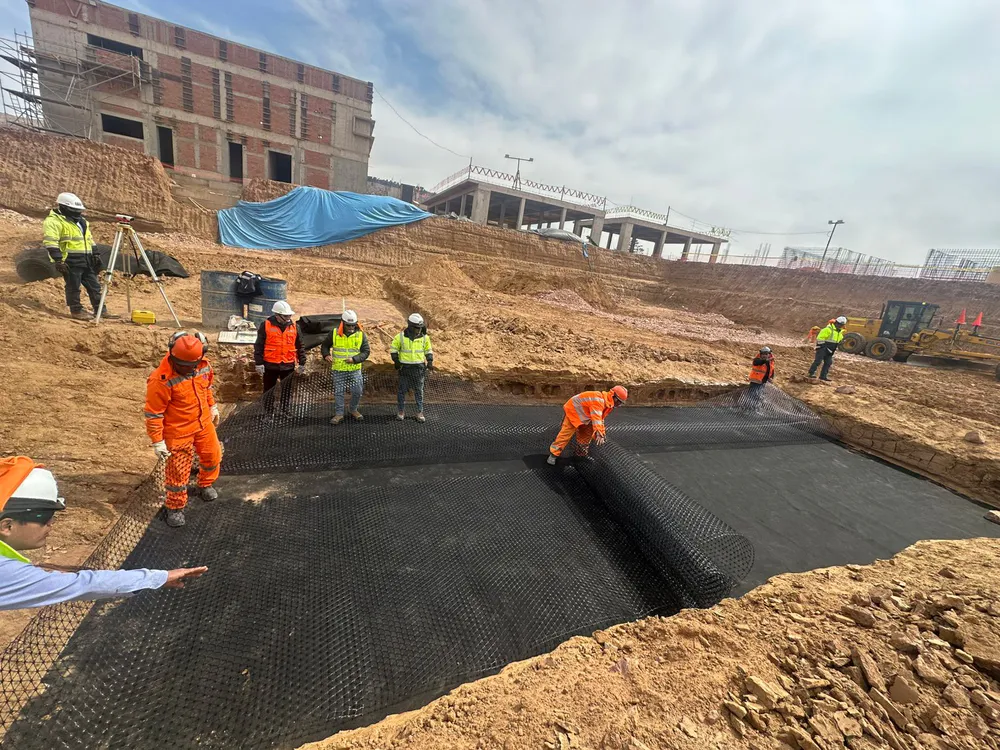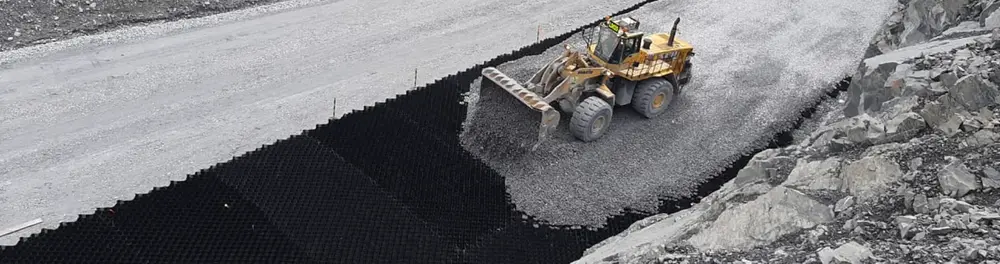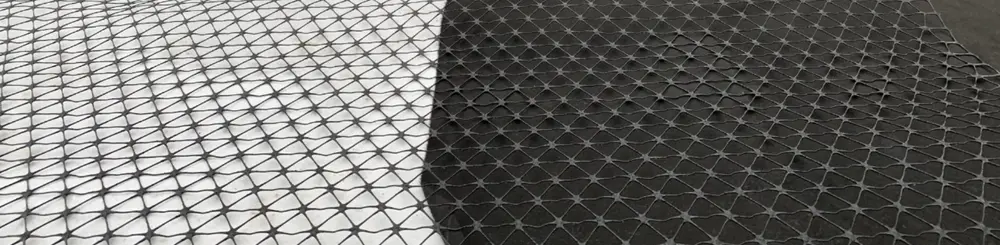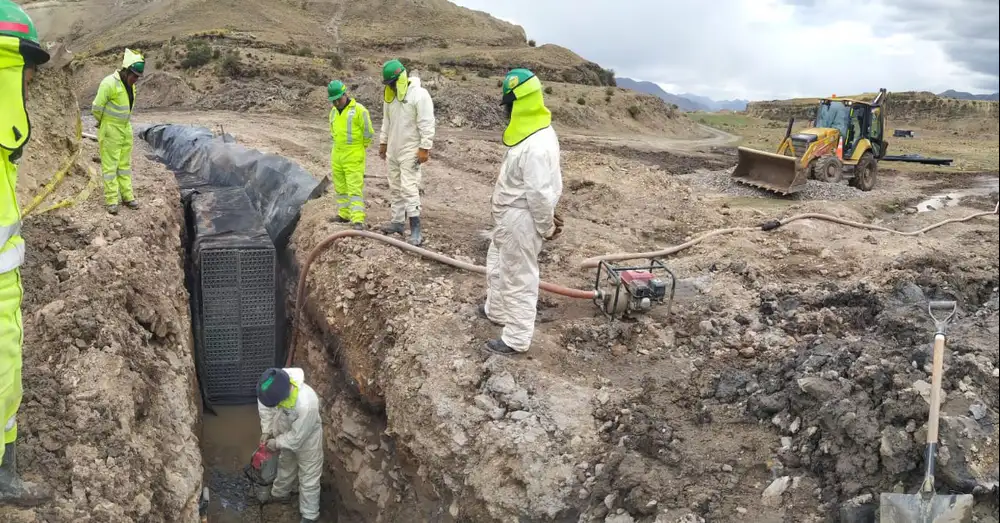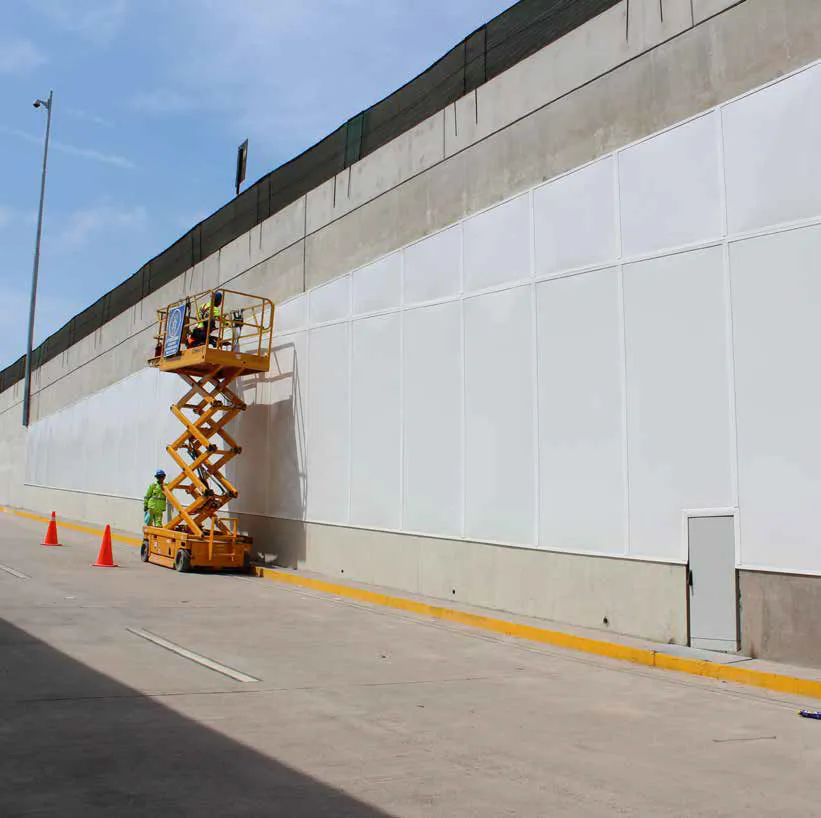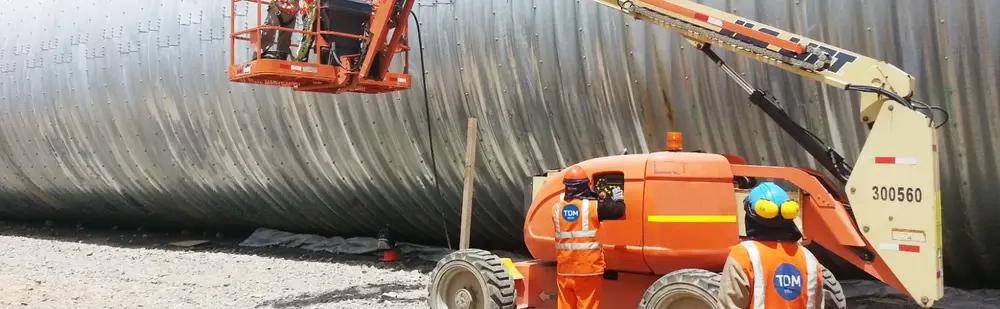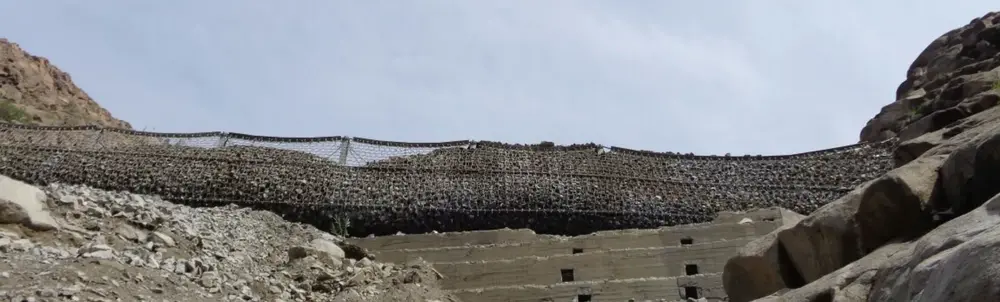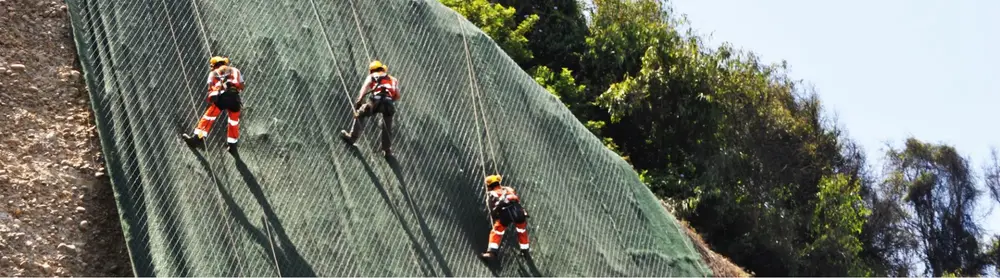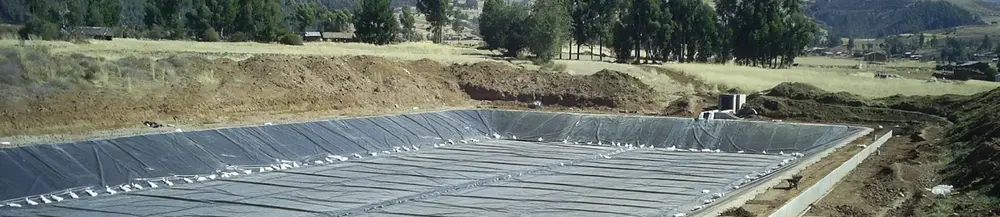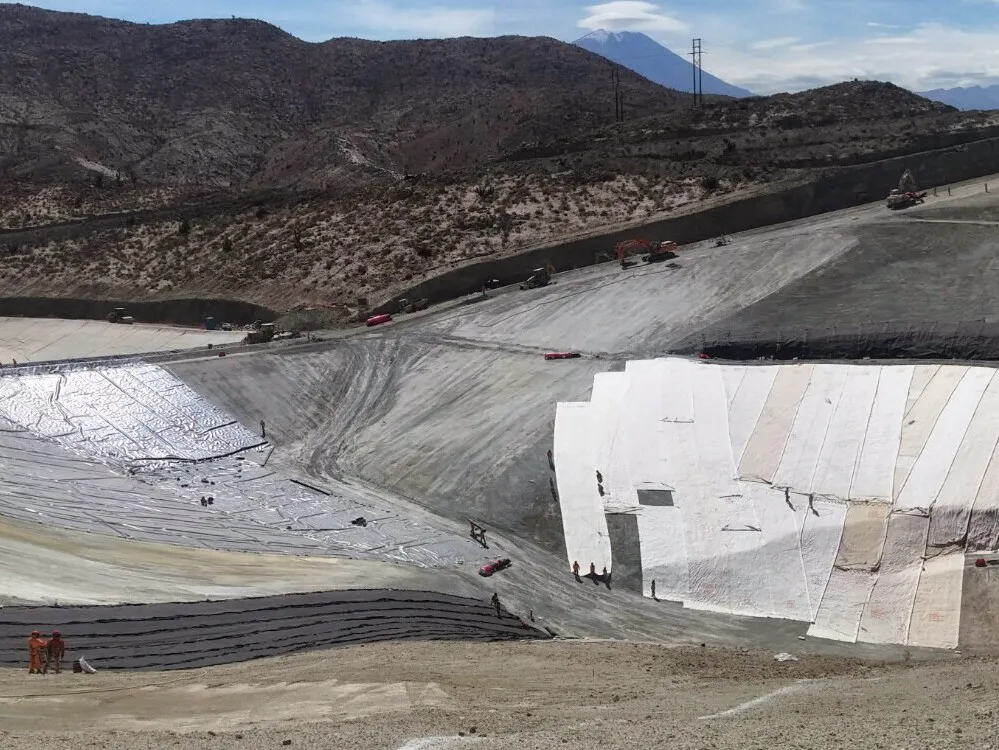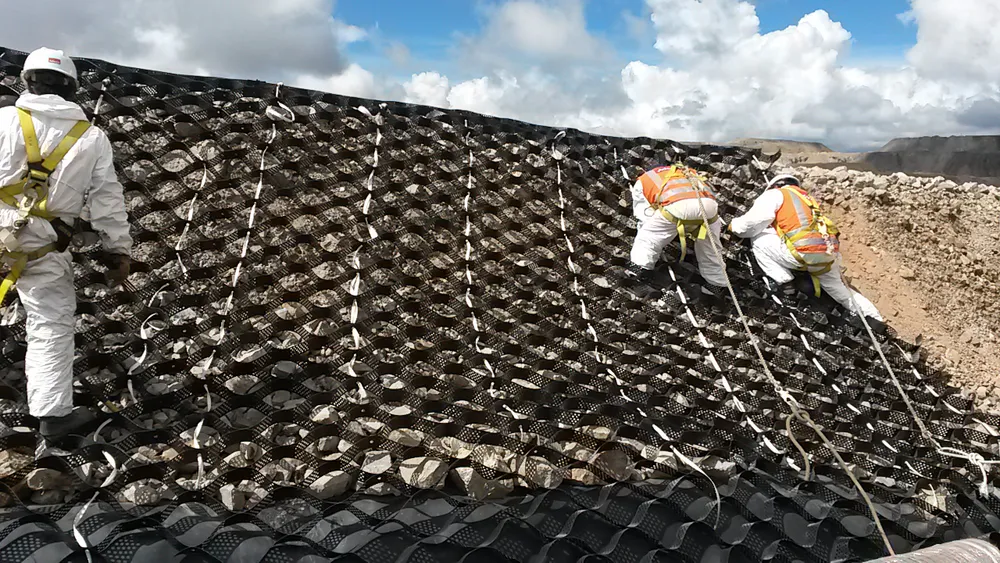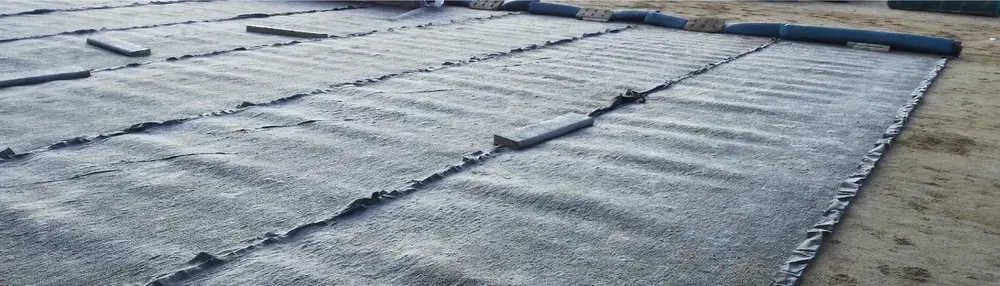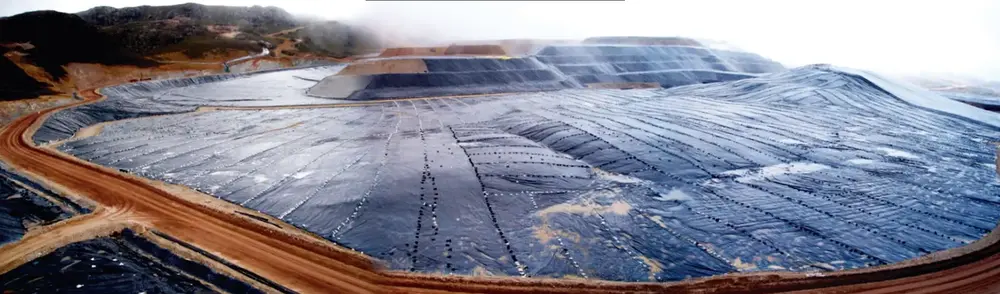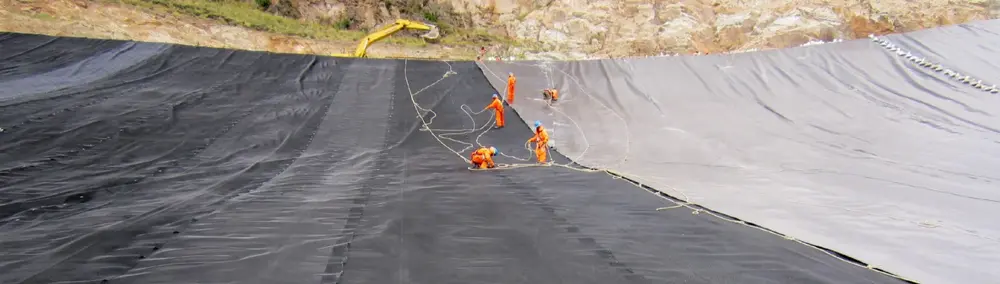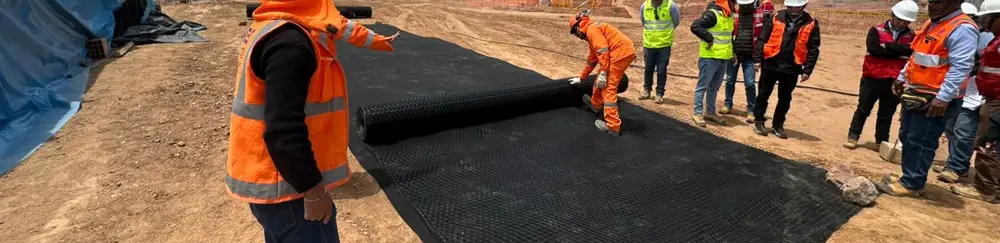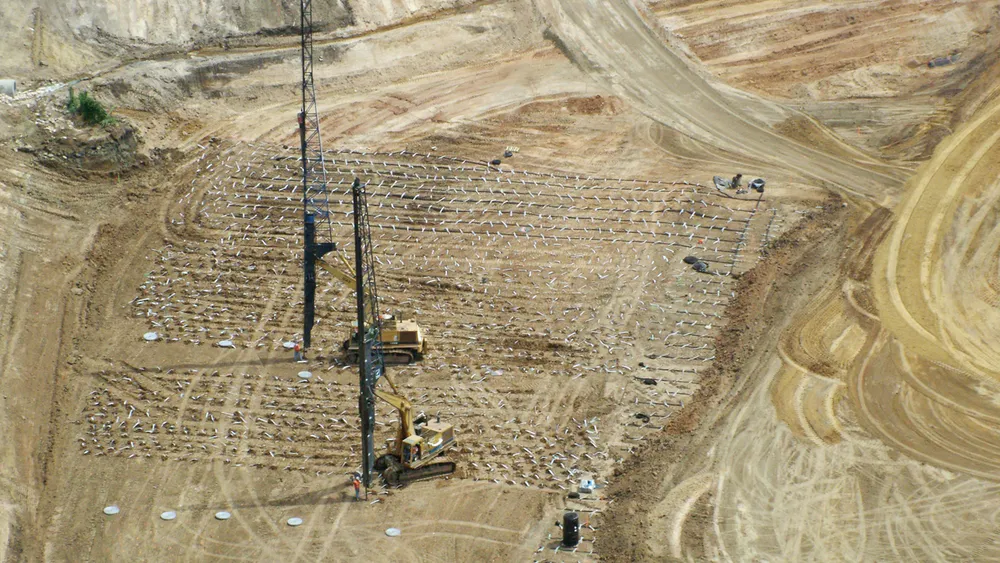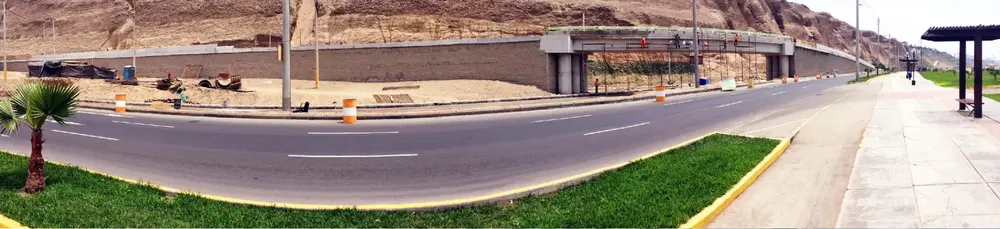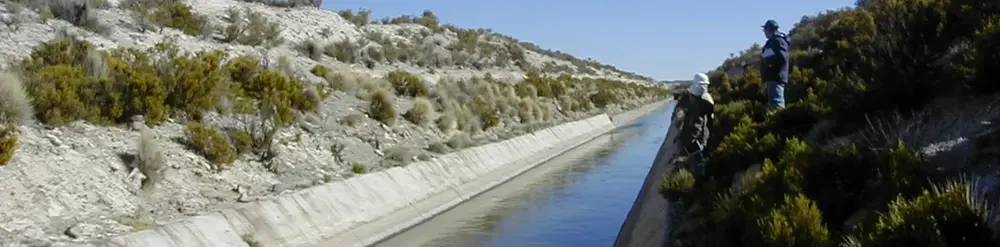




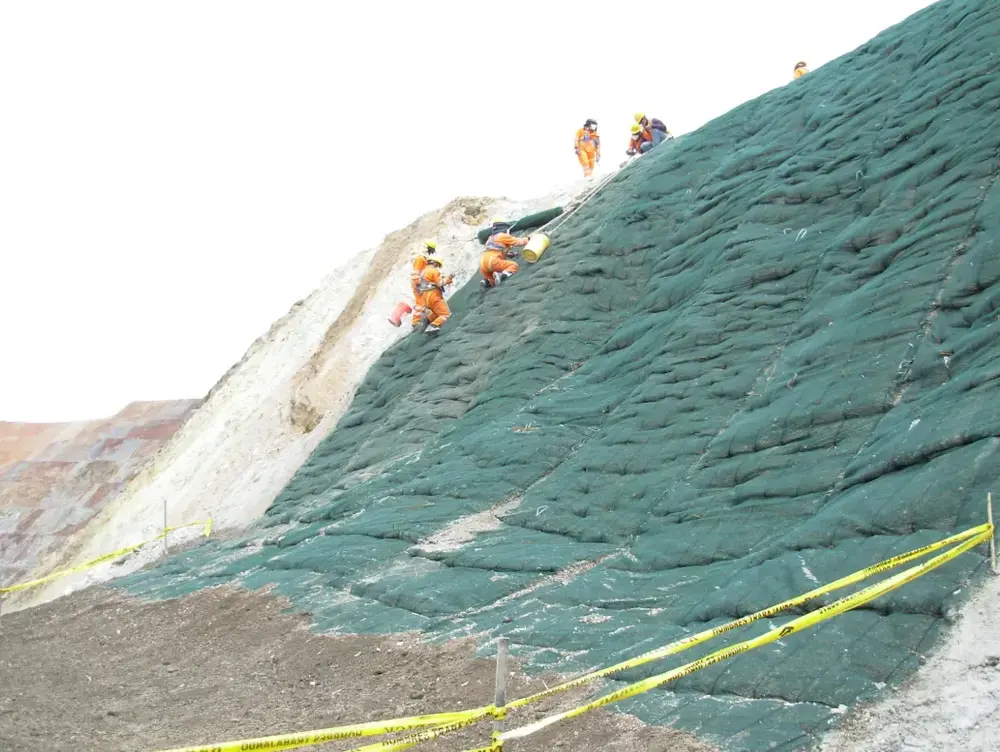
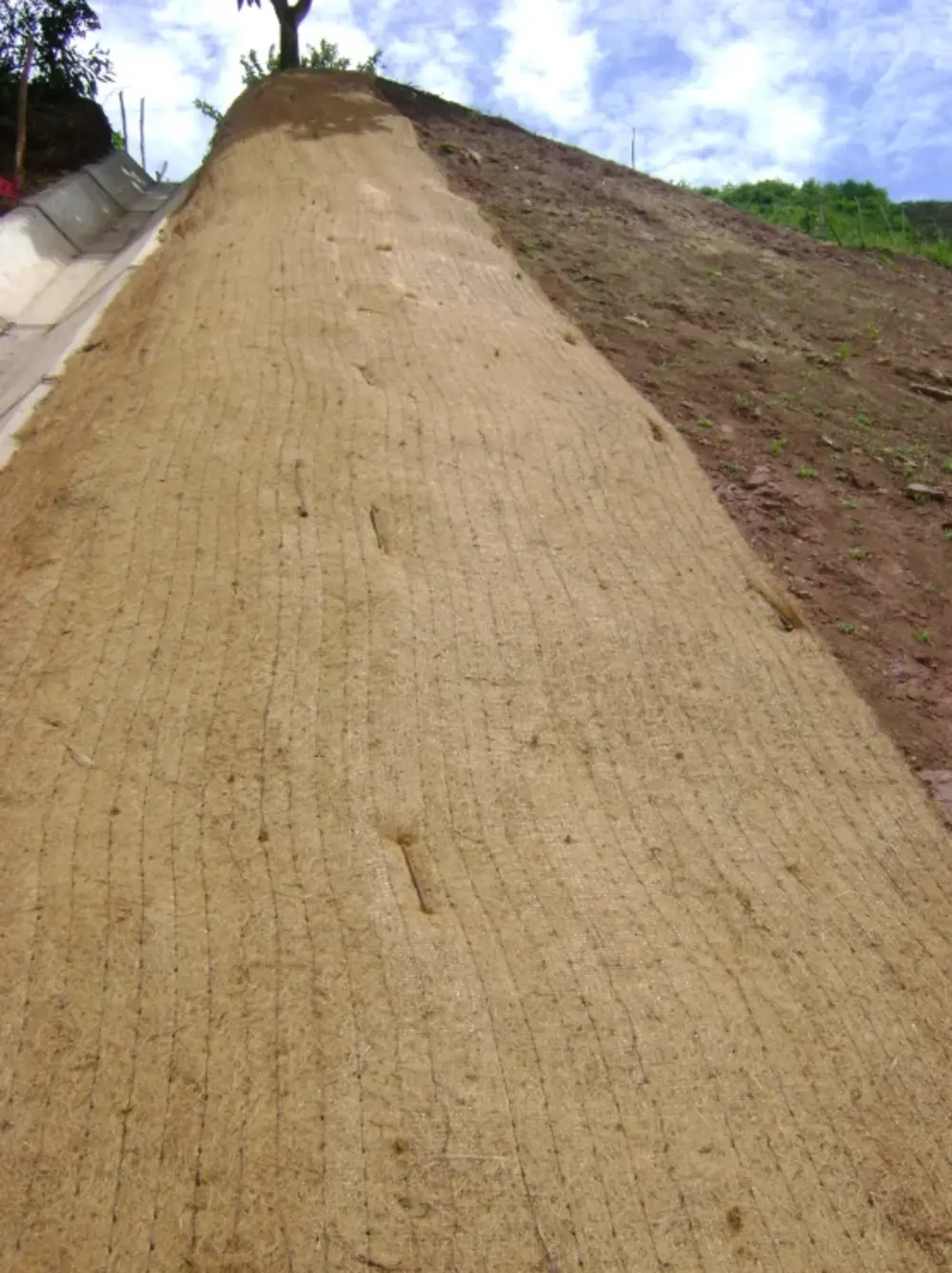
In highly climatically demanding areas such as the exposed pits at the Pierina Mine, located in the department of Ancash, Peru, a surface protection system using geomats was implemented for erosion control. This solution not only significantly reduced soil erosion on slopes, but also improved terrain stability and contributed to improved landscape integration with the surrounding environment. The incorporation of geomats reduced maintenance costs and accelerated the progress of the mining operation’s revegetation programs. The result was an efficient, long-lasting technical solution aligned with the pillars of sustainability and environmental responsibility in large-scale extractive projects.
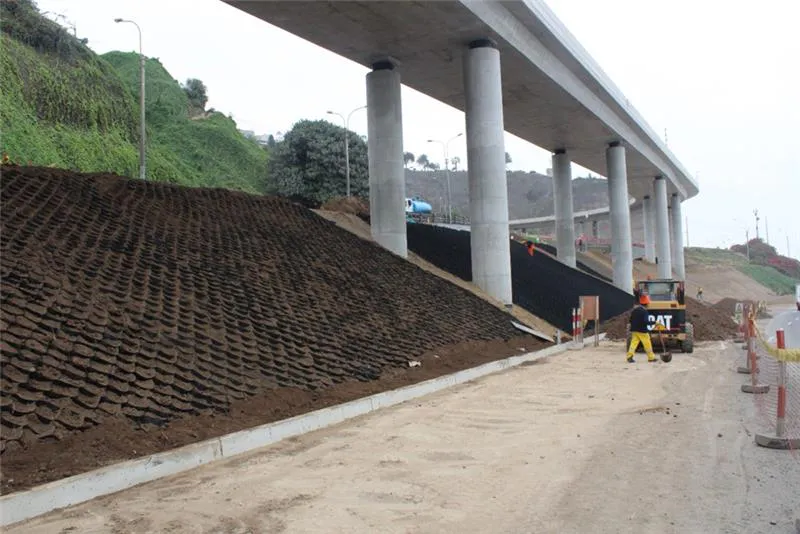
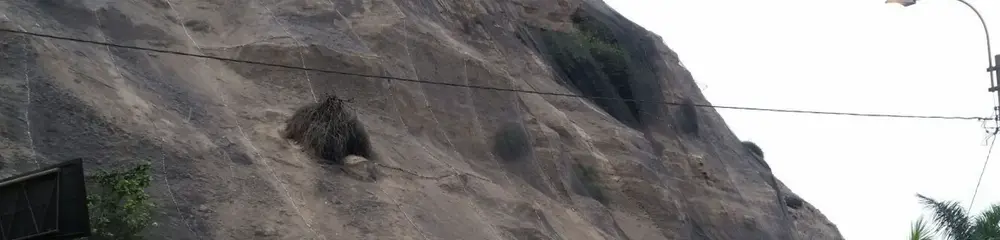
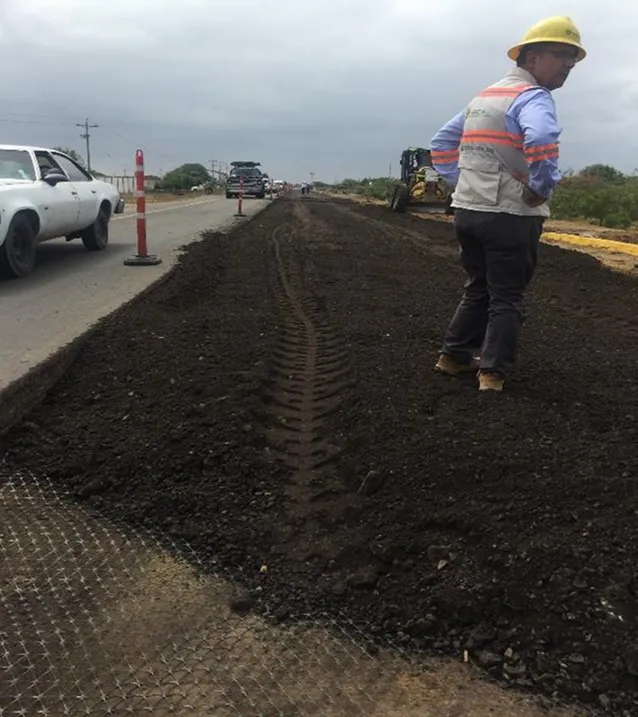
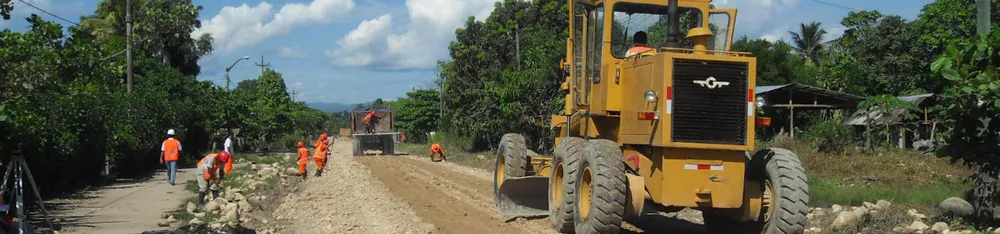
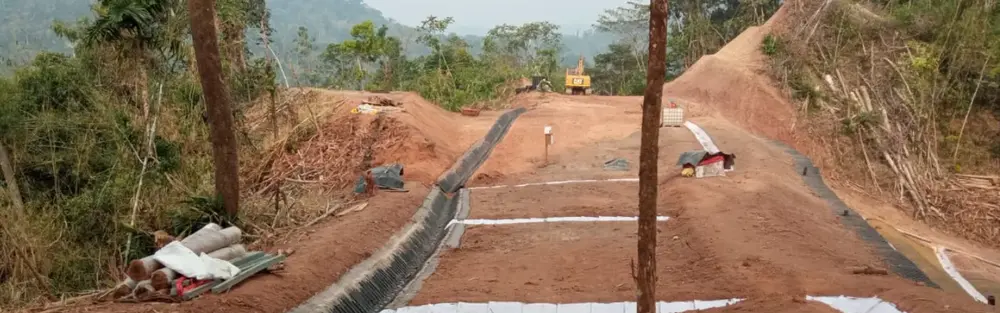
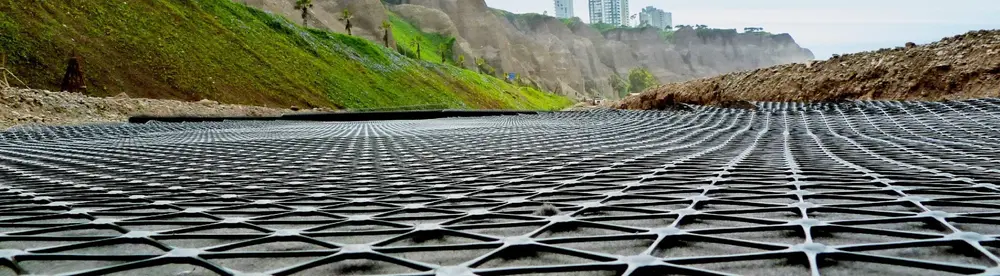
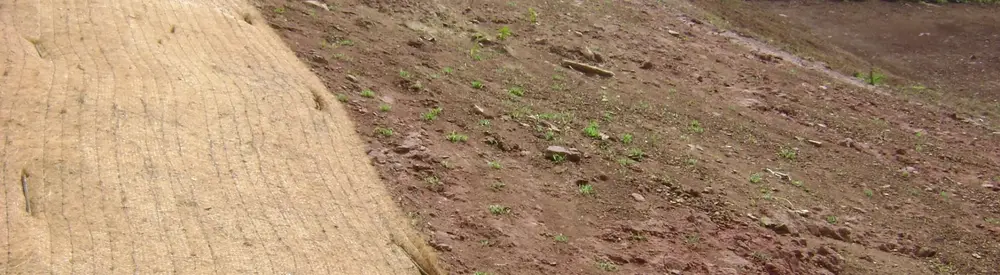
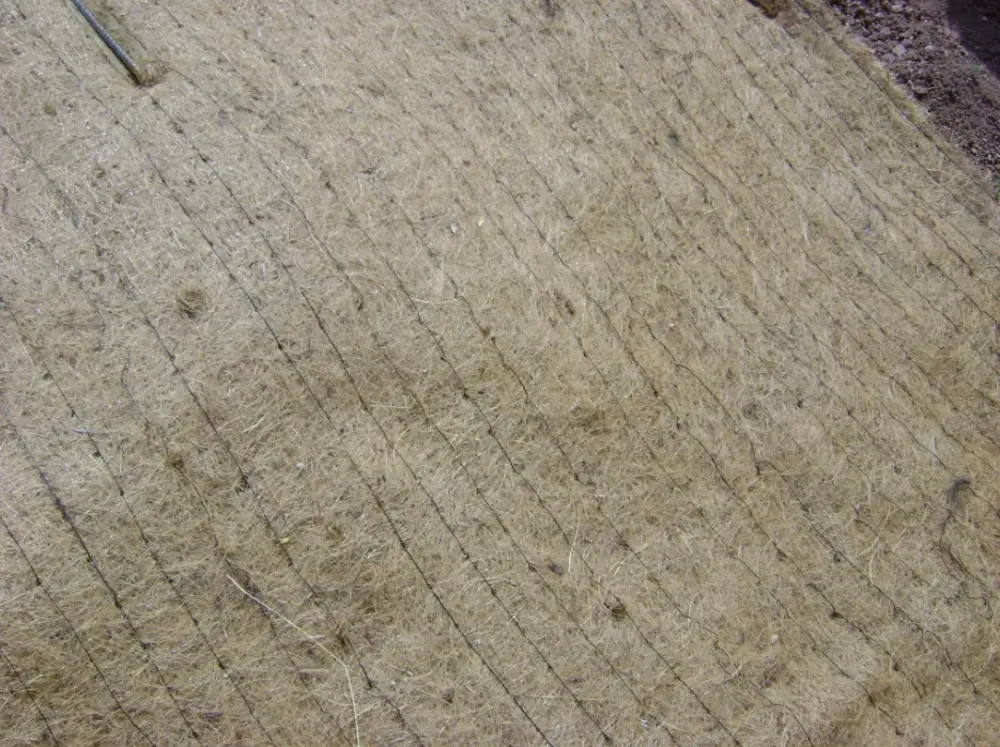
To stabilize steep slopes with loose soils on Section 2 of the Northern Interoceanic Highway, an erosion control system using geomats made from plant fibers was implemented. This solution reduced soil loss from the first rains, accelerated the natural revegetation process, and reduced the environmental impact associated with the project.
Its rapid installation, low operating costs, and biodegradable nature consolidated the geomat as an efficient and environmentally responsible solution for one of the country’s most significant road projects. A technical solution aligned with the objectives of sustainability and long-term high performance in road infrastructure.
In highly climatically demanding areas such as the exposed pits at the Pierina Mine, located in the department of Ancash, Peru, a surface protection system using geomats was implemented for erosion control. This solution not only significantly reduced soil erosion on slopes, but also improved terrain stability and contributed to improved landscape integration with the surrounding environment. The incorporation of geomats reduced maintenance costs and accelerated the progress of the mining operation’s revegetation programs. The result was an efficient, long-lasting technical solution aligned with the pillars of sustainability and environmental responsibility in large-scale extractive projects.
To stabilize steep slopes with loose soils on Section 2 of the Northern Interoceanic Highway, an erosion control system using geomats made from plant fibers was implemented. This solution reduced soil loss from the first rains, accelerated the natural revegetation process, and reduced the environmental impact associated with the project.
Its rapid installation, low operating costs, and biodegradable nature consolidated the geomat as an efficient and environmentally responsible solution for one of the country’s most significant road projects. A technical solution aligned with the objectives of sustainability and long-term high performance in road infrastructure.
Our team of experts is ready to advise you and help you find the best option for your project.